- -10%



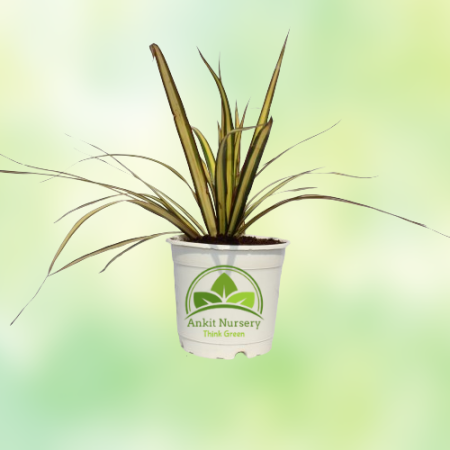
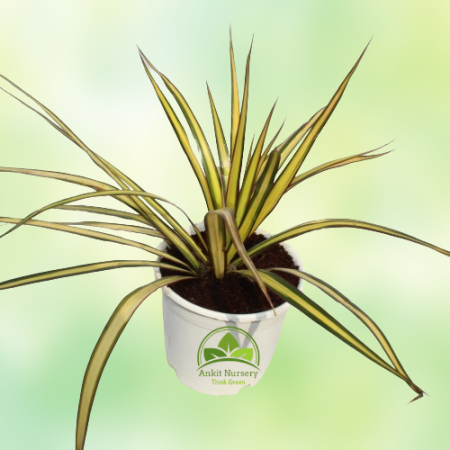
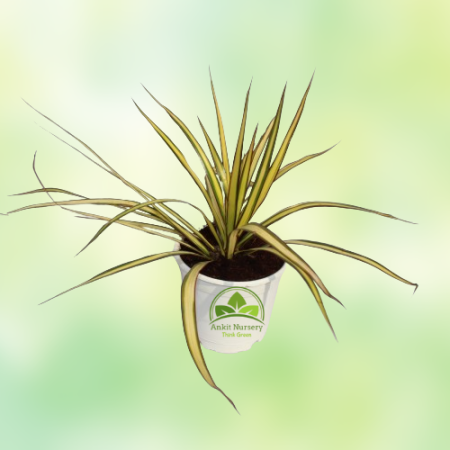
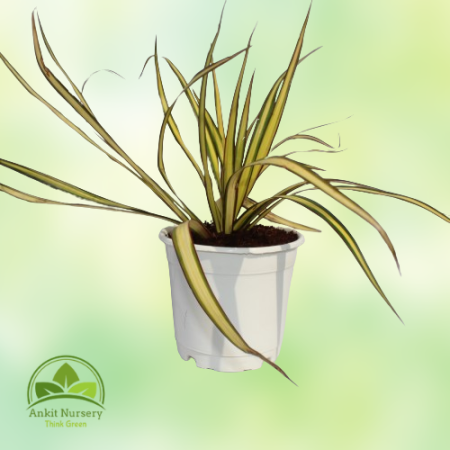
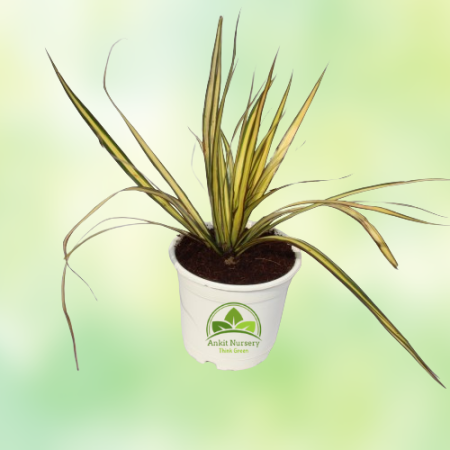
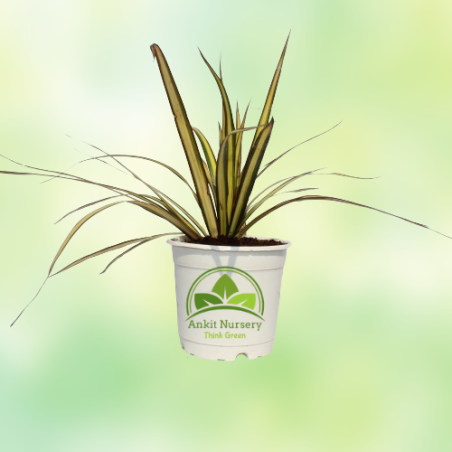
The Spider Plant (Chlorophytum comosum) is a popular and easy-to-grow houseplant known for its graceful arching foliage and air-purifying properties. Spider Plants prefer bright, indirect light but can tolerate lower light conditions. Avoid direct sunlight, as it can scorch the leaves. Place your Spider Plant near a window where it can receive filtered sunlight or artificial light.
Keep the soil evenly moist during the growing season (spring and summer), but allow the top inch or two of soil to dry out between waterings. Water less frequently in the winter months when growth slows down. Spider Plants are sensitive to fluoride and chlorine, so it's best to use distilled or filtered water. Use well-draining potting soil.
Spider Plants prefer temperatures between 60-75°F (15-24°C). They can tolerate slightly cooler temperatures but should be protected from drafts and cold temperatures below 50°F (10°C). Spider Plants can tolerate average indoor humidity but appreciate occasional misting or grouping with other plants to increase humidity levels.
Feed your Spider Plant with a balanced liquid fertilizer diluted to half strength every 4-6 weeks during the growing season (spring and summer). Reduce fertilization in fall and winter when growth slows down. Spider Plants are easy to propagate. They produce offsets, or "spiderettes," that can be removed and planted in their own pots once they have developed roots. You can also propagate Spider Plants from stem cuttings placed in water or soil.
Prune your Spider Plant as needed to remove any dead or yellowing leaves and to maintain its size and shape. Spider Plants can become leggy over time, so pruning can help encourage bushier growth. Spider Plants are safe for humans and pets. They are non-toxic and can be a great choice for households with pets.
A mix formulated for houseplants or tropical plants works well. Ensure that the pot has drainage holes to prevent waterlogging. With proper care, your Spider Plant can thrive and produce cascading arches of lush foliage. Enjoy its graceful appearance and air-purifying qualities in your indoor space!
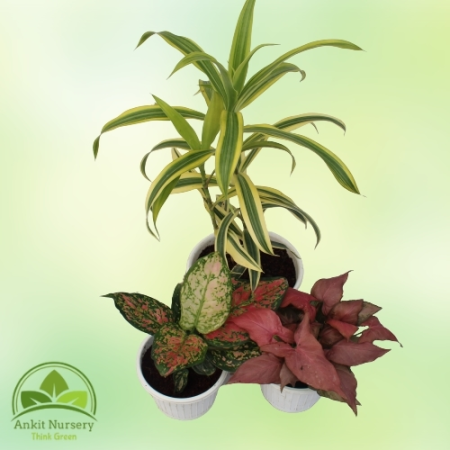
Indoor plants are a great way to bring nature into your home, purify the air, and enhance your...
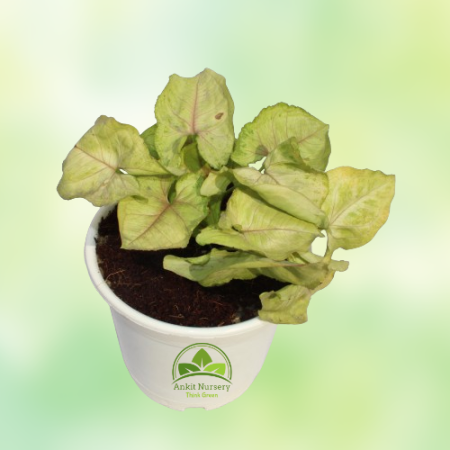
Syngonium Golden Plant is a cultivar of Syngonium podophyllum, commonly known as arrowhead...
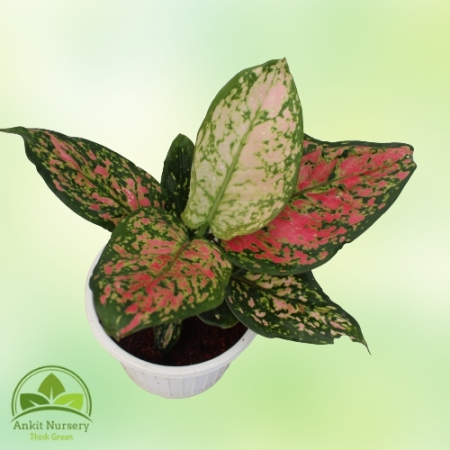
Aglaonema, commonly known as Chinese evergreen, is a popular indoor plant appreciated for its...
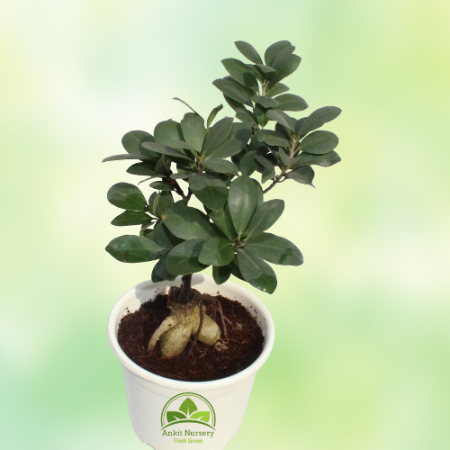
The "Ficus Long Island" is a variety of Ficus benjamina, commonly known as the Weeping Fig....
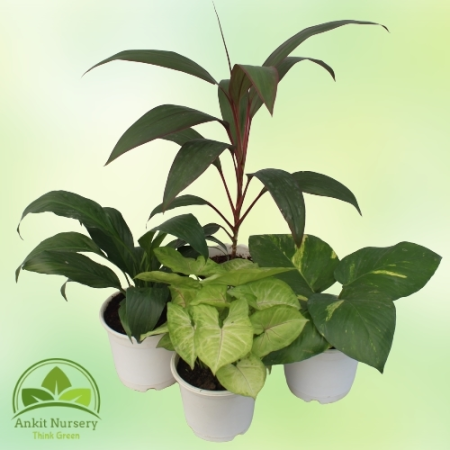
Indoor plants are a great way to bring nature into your home, purify the air, and enhance your...
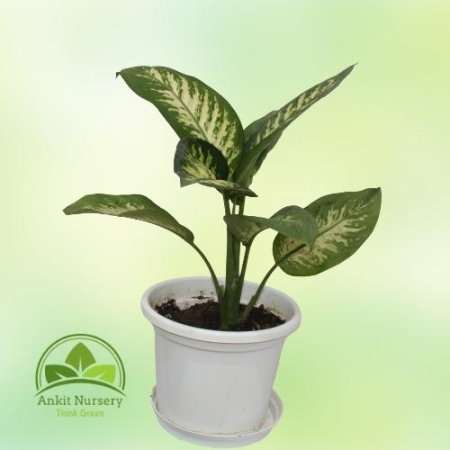
Dieffenbachia, commonly known as dumb cane, is a popular ornamental plant prized for its...
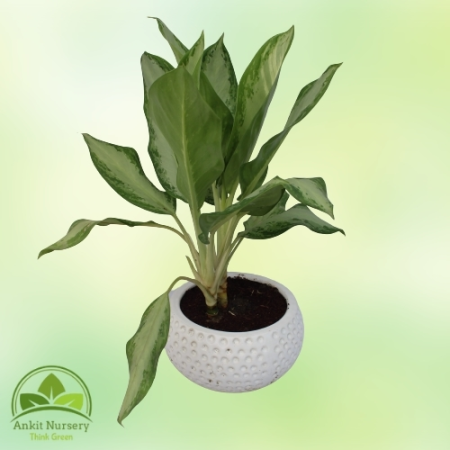
The Green Aglaonema, scientifically known as Aglaonema commutatum, is a popular and...
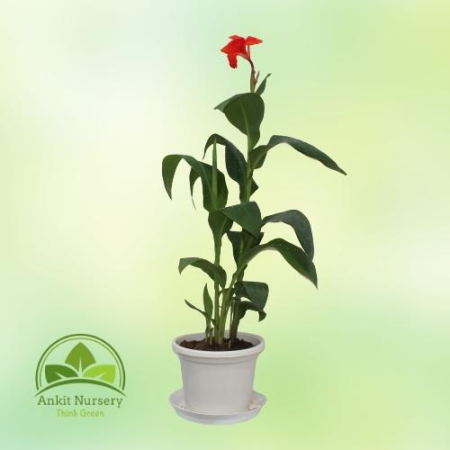
Canna lilies (Canna spp.) are known for their vibrant and showy flowers....
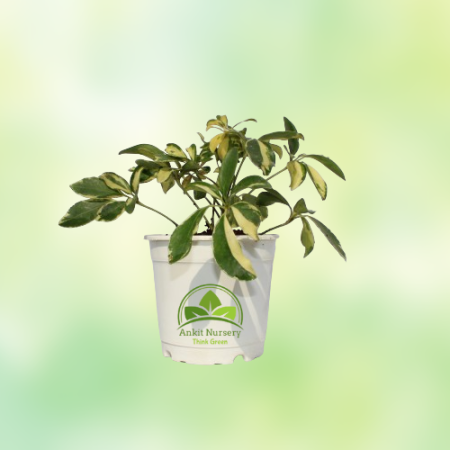
The Saplera plant, also known as Polyscias filicifolia, is a tropical tree native to Southeast...
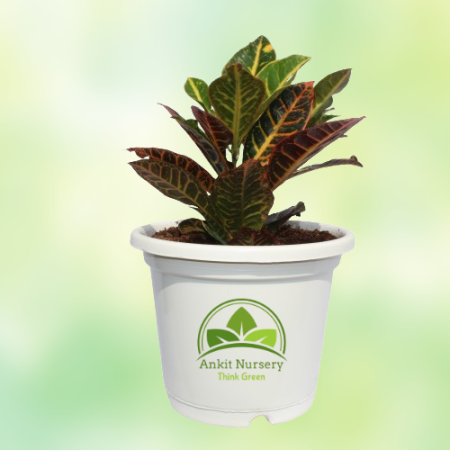
The Croton Petra is a popular variety of Croton (Codiaeum variegatum) known for its colorful...
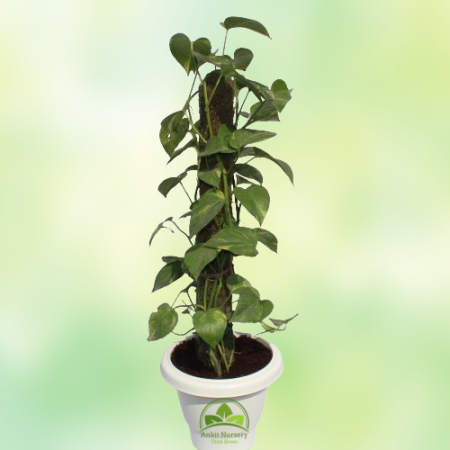
The Money Plant, also known as Pilea peperomioides, is a popular houseplant known for its...
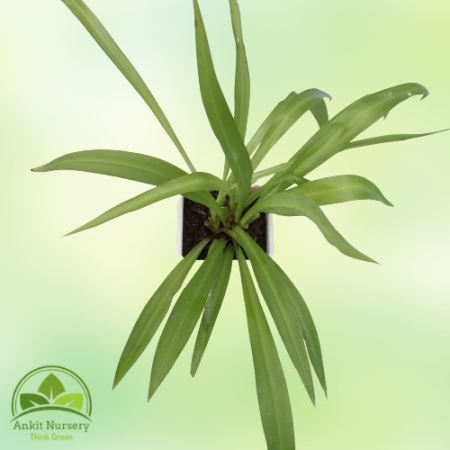
"Chlorophytum" plant, commonly known as the Spider Plant. Chlorophytum comosum, or Spider...
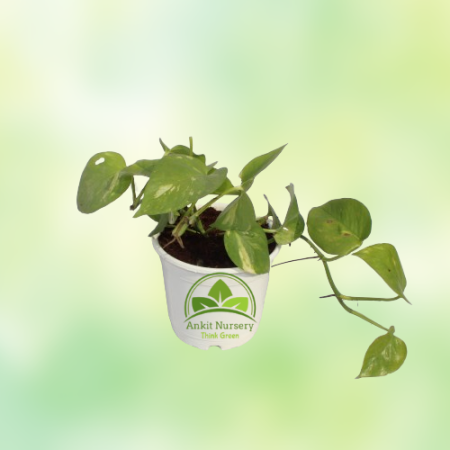
"Golden Money Plant" is a common name for several different plants, but it's often used to...
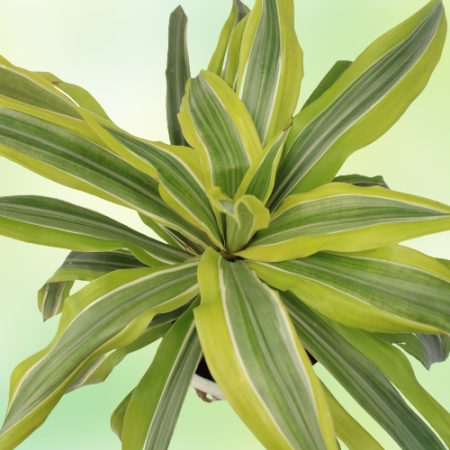
Dracaena victoria, commonly known as the Victoria plant or Victoria dragon tree, is a popular...
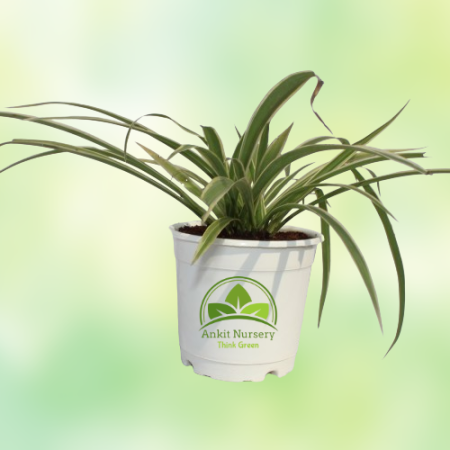
Dracaena is a genus of tropical plants known for their attractive foliage and low maintenance...
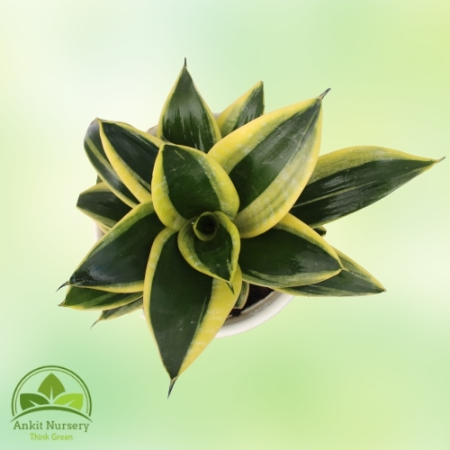
Sansevieria, is a popular and compact variety of the larger Snake Plant species. It's called...
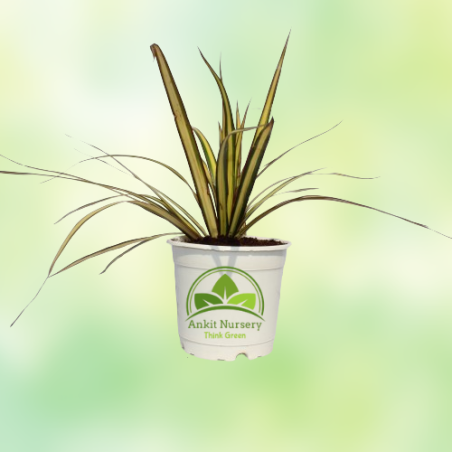
The Spider Plant (Chlorophytum comosum) is a popular and easy-to-grow houseplant known for its graceful arching foliage and air-purifying properties. Spider Plants prefer bright, indirect light but can tolerate lower light conditions. Avoid direct sunlight, as it can scorch the leaves. Place your Spider Plant near a window where it can receive filtered sunlight or artificial light.
Keep the soil evenly moist during the growing season (spring and summer), but allow the top inch or two of soil to dry out between waterings. Water less frequently in the winter months when growth slows down. Spider Plants are sensitive to fluoride and chlorine, so it's best to use distilled or filtered water. Use well-draining potting soil.