- -10%



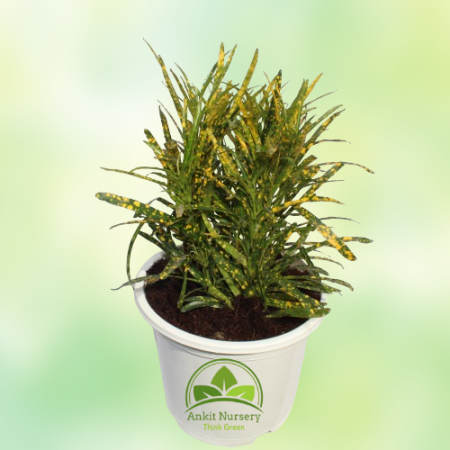
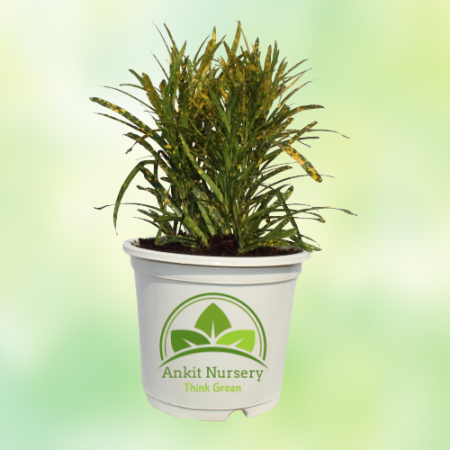
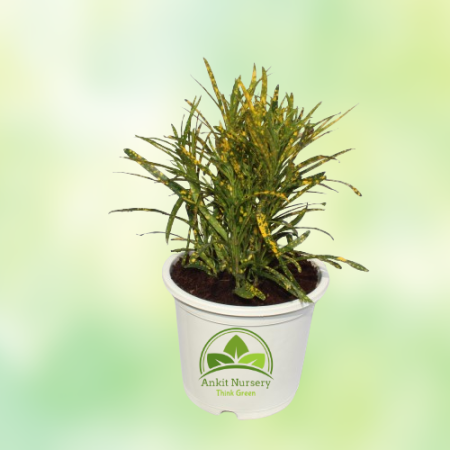
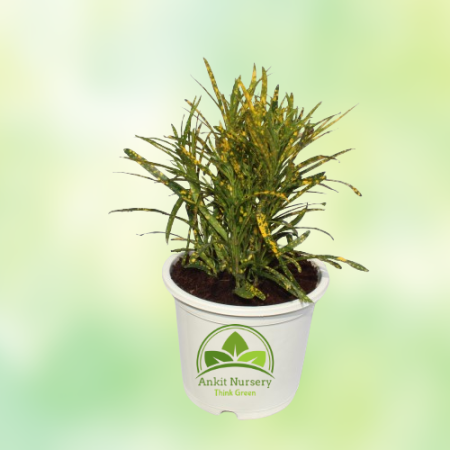
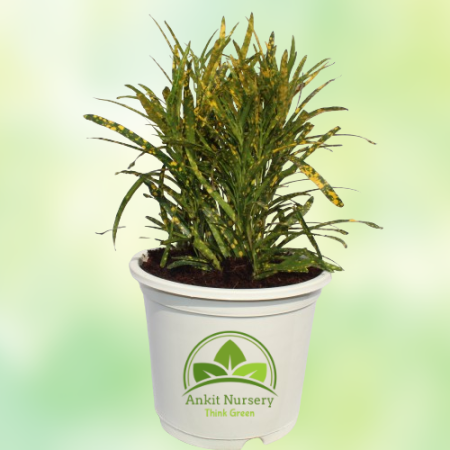
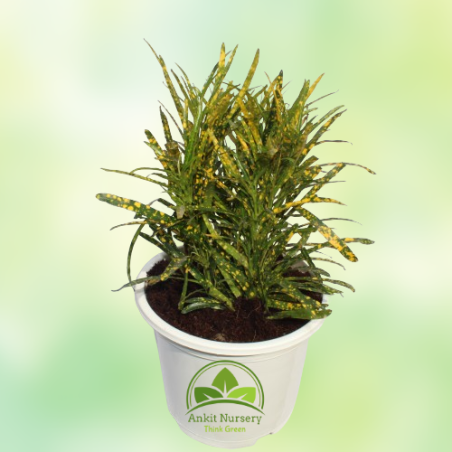
The Gold Dust Croton plant (Codiaeum variegatum 'Gold Dust') is a popular and colorful houseplant known for its striking foliage. Gold Dust Crotons thrive in bright, indirect light. They need at least 4-6 hours of sunlight per day to maintain their vibrant foliage colors. Avoid direct sunlight, as it can scorch the leaves.
Keep the plant in a warm environment with temperatures between 60-80°F (16-27°C). Avoid exposing it to cold drafts or sudden temperature fluctuations. Water the plant thoroughly when the top inch of soil feels dry to the touch, allowing excess water to drain away. Crotons prefer slightly moist soil but are susceptible to root rot if overwatered. Reduce watering during the winter months when growth slows down.
Gold Dust Crotons prefer high humidity levels. You can increase humidity by misting the leaves regularly, placing a humidifier nearby, or grouping the plant with other moisture-loving plants. Use well-draining potting soil with plenty of organic matter. A mix formulated for tropical plants or houseplants works well.
Feed your Gold Dust Croton with a balanced liquid fertilizer diluted to half strength every 4-6 weeks during the growing season (spring and summer). Reduce fertilization in fall and winter when growth slows down. Prune the plant regularly to maintain its shape and remove any dead or leggy growth. You can also pinch back new growth to encourage bushier growth. Gold Dust Crotons can be propagated from stem cuttings. Take a cutting with several nodes, remove the lower leaves, and place it in a pot with moist potting mix. Keep the soil consistently moist until roots develop.
Gold Dust Crotons are toxic to humans and pets if ingested, so keep them out of reach of children and animals.
Watch out for common houseplant pests like spider mites, aphids, and mealybugs. If you notice any signs of infestation, treat the plant with insecticidal soap or neem oil. With proper care, your Gold Dust Croton can thrive and bring vibrant color to your indoor space. Enjoy its beautiful foliage and watch it grow!
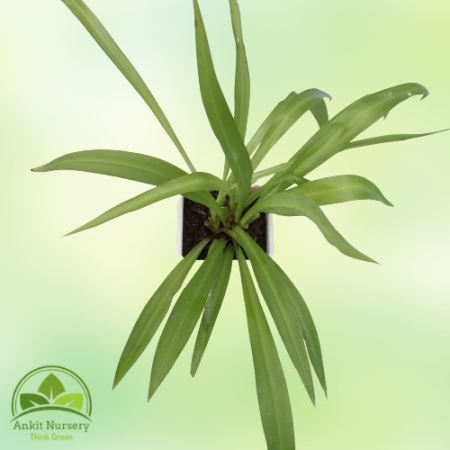
"Chlorophytum" plant, commonly known as the Spider Plant. Chlorophytum comosum, or Spider...
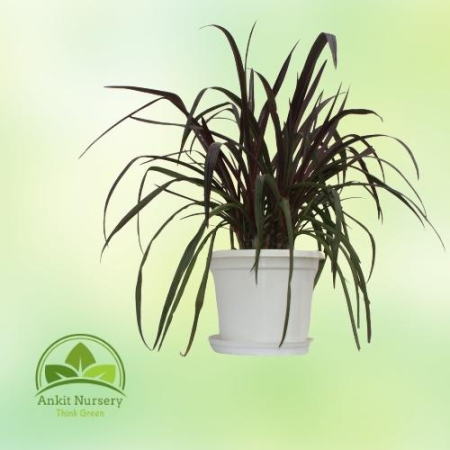
Red Sensation Cordyline, also known as Cordyline fruticosa 'Red Sensation' or Red Sensation...
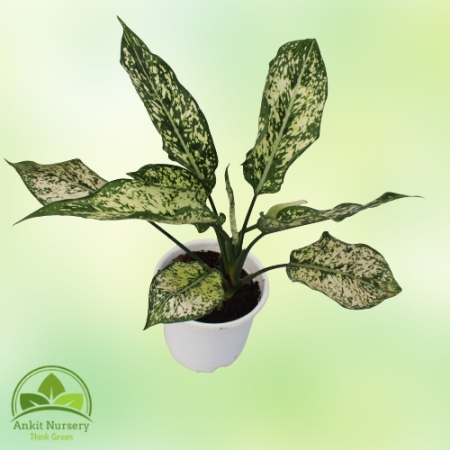
Aglaonema Snow White, also known as Aglaonema 'Snow White,' is a specific cultivar of the...
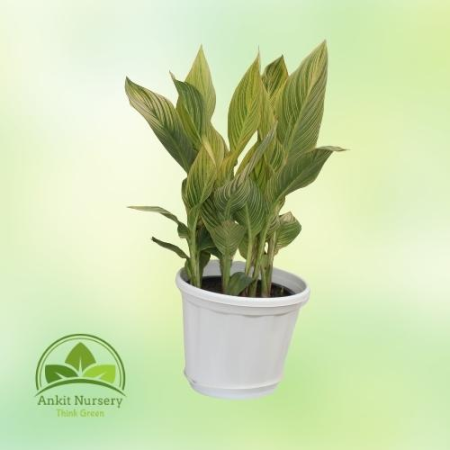
Canna lilies, scientifically known as Canna, are perennial flowering plants that belong to the...
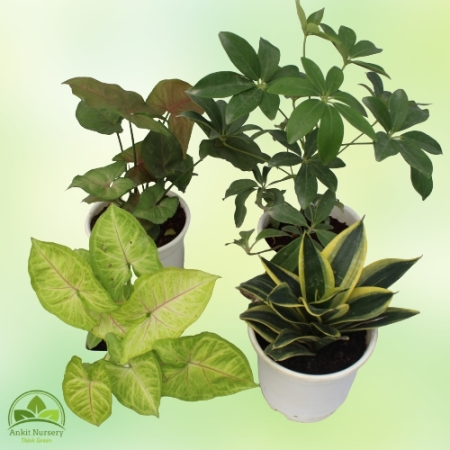
Indoor plants are a great way to bring nature into your home, purify the air, and enhance your...
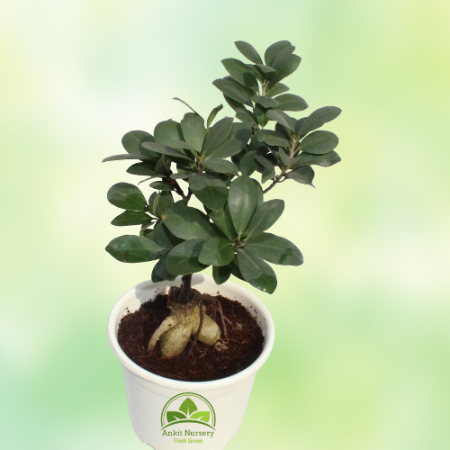
The "Ficus Long Island" is a variety of Ficus benjamina, commonly known as the Weeping Fig....
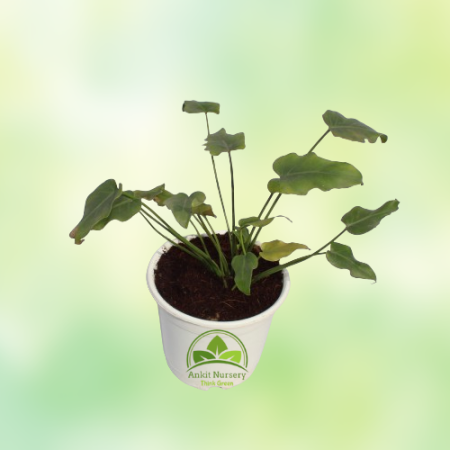
The "Golden Xanadu" is a cultivar of the Philodendron plant, known scientifically as...
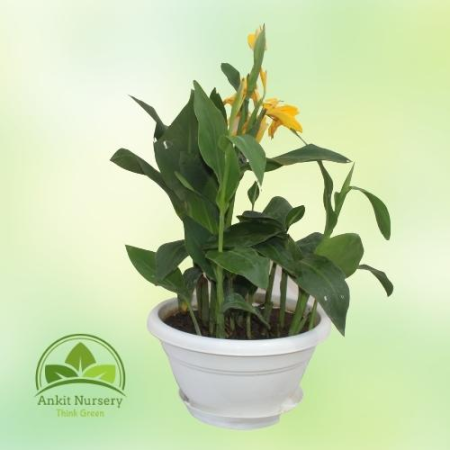
Leafy Canna, also known as Canna indica, is a variety of Canna lily that is primarily valued...
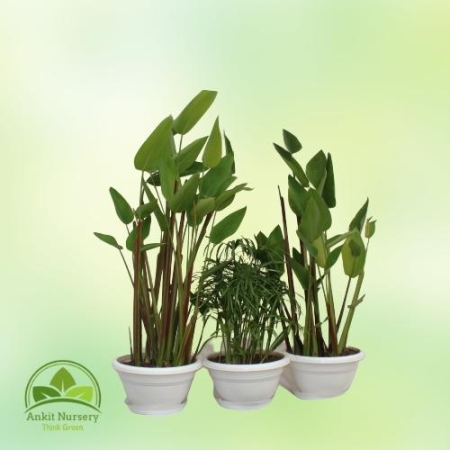
A water plant, also known as an aquatic plant or hydrophyte, is a type of plant that has...
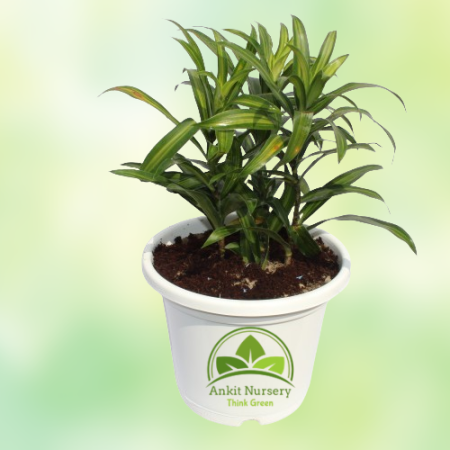
The "Song of India" plant is a common name for the Dracaena reflexa var. angustifolia, a...
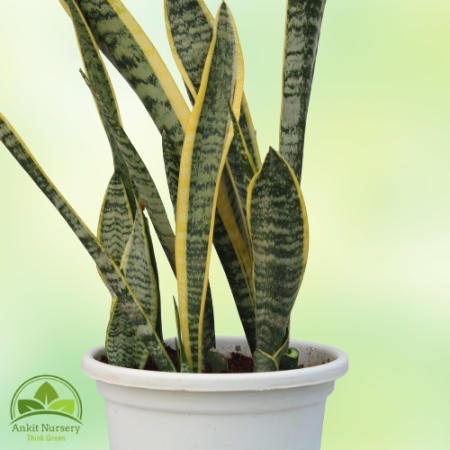
The Snake Plant, scientifically known as Sansevieria trifasciata (formerly classified under...
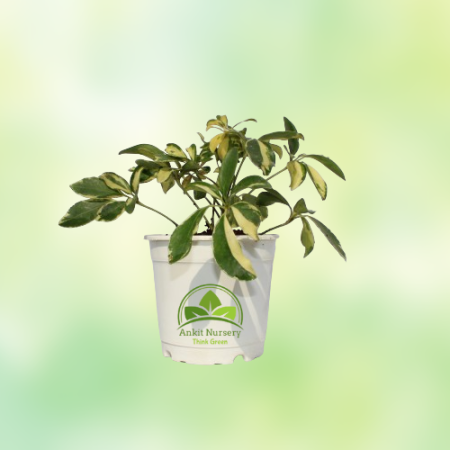
The Saplera plant, also known as Polyscias filicifolia, is a tropical tree native to Southeast...
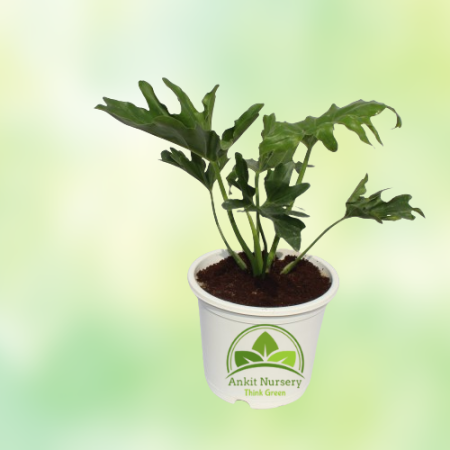
Philodendron xanadu is indeed a delightful cultivar known for its lush and tropical...
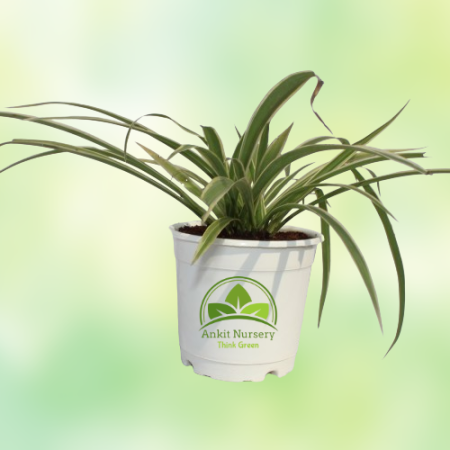
Dracaena is a genus of tropical plants known for their attractive foliage and low maintenance...
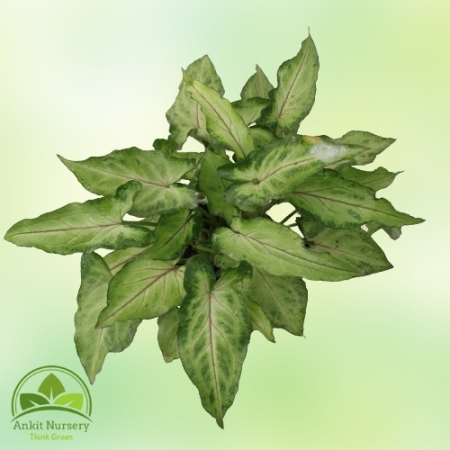
Syngonium Green is another variety of Syngonium podophyllum, commonly known as the Arrowhead...
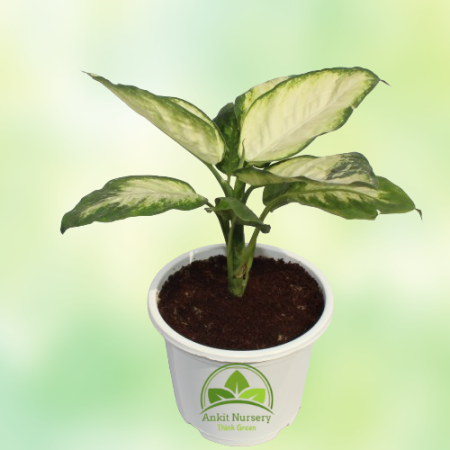
It appears you may be referring to the "Dieffenbachia" plant, often misspelled as...
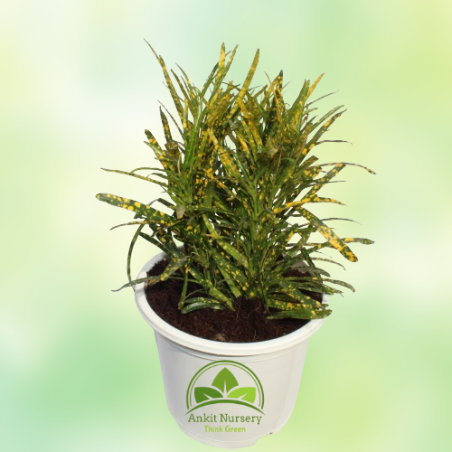
The Gold Dust Croton plant (Codiaeum variegatum 'Gold Dust') is a popular and colorful houseplant known for its striking foliage. Gold Dust Crotons thrive in bright, indirect light. They need at least 4-6 hours of sunlight per day to maintain their vibrant foliage colors. Avoid direct sunlight, as it can scorch the leaves.
Keep the plant in a warm environment with temperatures between 60-80°F (16-27°C). Avoid exposing it to cold drafts or sudden temperature fluctuations. Water the plant thoroughly when the top inch of soil feels dry to the touch, allowing excess water to drain away. Crotons prefer slightly moist soil but are susceptible to root rot if overwatered. Reduce watering during the winter months when growth slows down.