- -5%



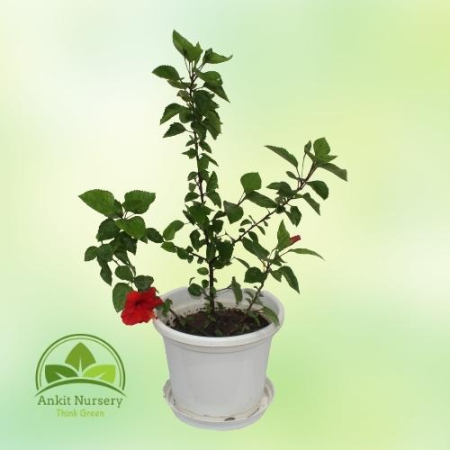
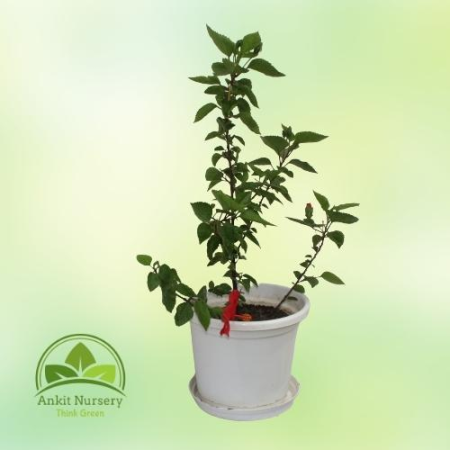
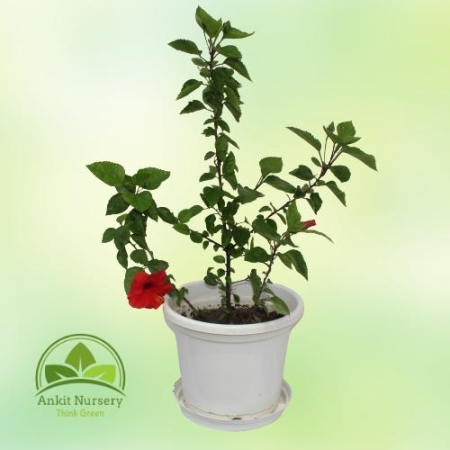
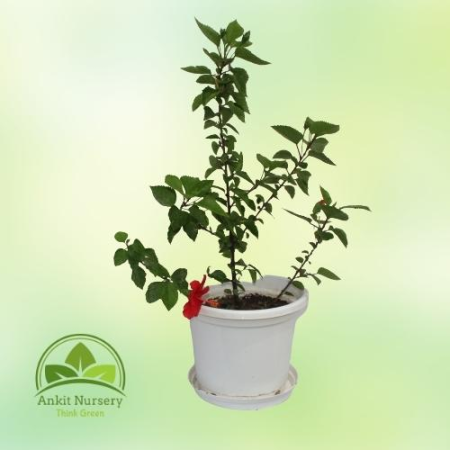
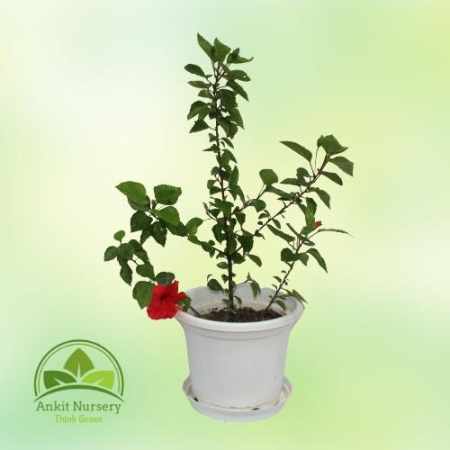
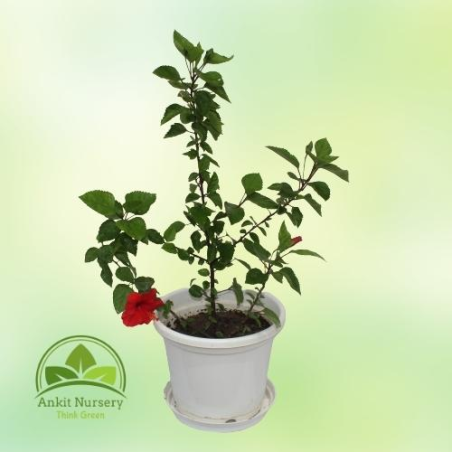
Hibiscus is a genus of flowering plants in the family Malvaceae, which is native to warm temperate, subtropical, and tropical regions around the world. Known for their showy and vibrant flowers, Hibiscus plants are widely cultivated for both their ornamental beauty and their medicinal properties.
Hibiscus plants come in various species and cultivars, but they typically share some common characteristics. They are generally shrubs or small trees with a woody stem. The size of Hibiscus plants can vary, ranging from compact varieties suitable for containers to larger specimens. The branches are often well-branched and can create a dense, bushy form.
One of the most distinctive features of Hibiscus plants is their large and vibrant flowers. The blooms are often trumpet-shaped or bowl-shaped, with five or more overlapping petals that can be wide and showy. Hibiscus flowers come in a wide array of colors, including shades of red, pink, orange, yellow, white, and even bicolor or multicolor combinations. They often have a prominent central stamen column that is adorned with showy filaments and a cluster of pollen-bearing anthers.
Hibiscus plants typically have large, glossy, and dark green leaves that are alternate along the stems. The leaves are usually broad and ovate, with a pointed tip and a serrated or lobed margin. Some species or cultivars may have variegated or finely dissected foliage, adding further interest to the plant's overall appearance.
Hibiscus plants are highly valued for their ornamental appeal. They are commonly used in gardens, landscapes, and as potted plants to add a tropical or exotic touch. Hibiscus flowers are also often used in floral arrangements and as decorative elements for special occasions. In addition to their aesthetic value, Hibiscus plants have medicinal properties. The flowers and other parts of the plant are used in traditional medicine for their potential health benefits, such as supporting cardiovascular health and promoting digestion.
With their dazzling flowers and lush foliage, Hibiscus plants are a beloved choice for gardeners and plant enthusiasts seeking vibrant and eye-catching displays. Whether grown as a garden shrub, a container plant, or for their medicinal properties.
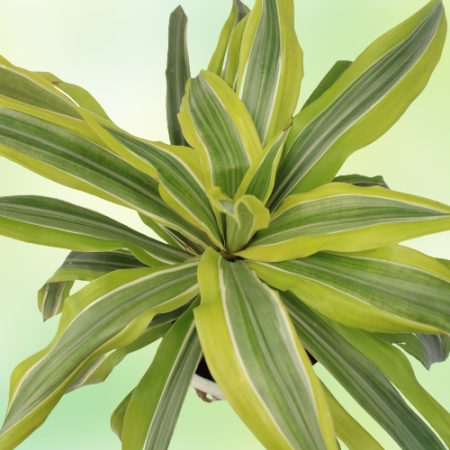
Dracaena victoria, commonly known as the Victoria plant or Victoria dragon tree, is a popular...
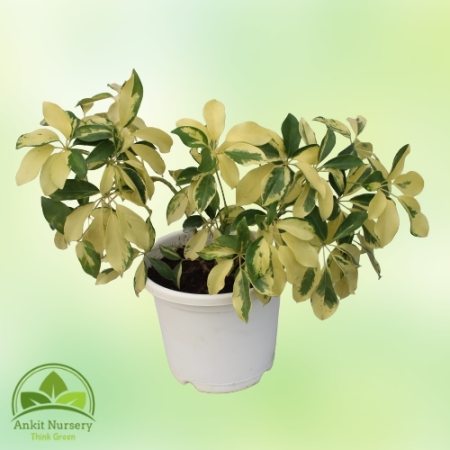
The Schefflera plant, often referred to as the Umbrella Tree or Schefflera arboricola, is a...
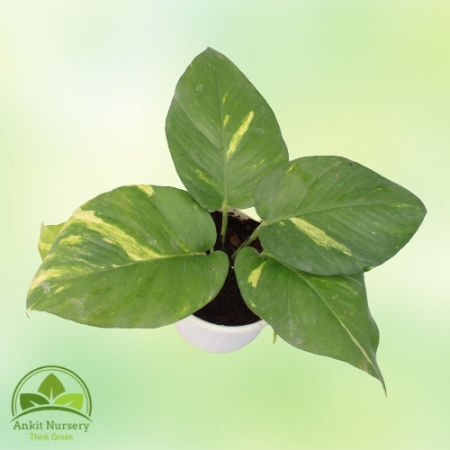
The money plant, also known as Devil's Ivy or Epipremnum aureum, is a popular indoor plant...
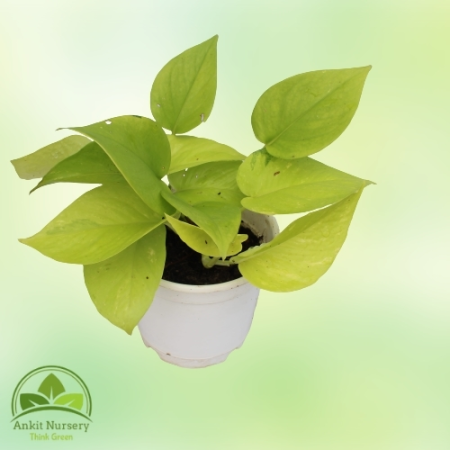
The golden money plant, also known as Epipremnum aureum or Devil's Ivy, is a popular...
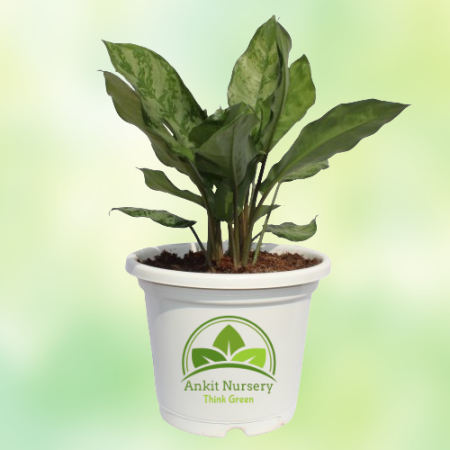
Aglaonema, commonly known as Chinese evergreen, is a popular houseplant appreciated for its...
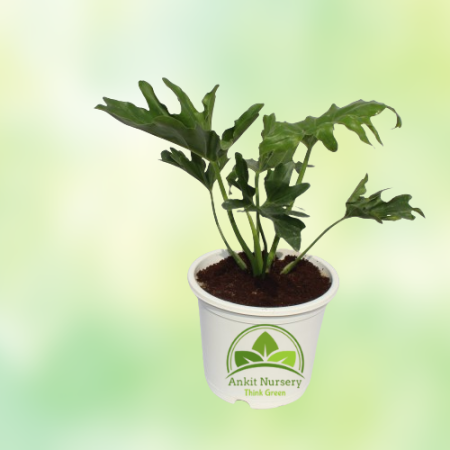
Philodendron xanadu is indeed a delightful cultivar known for its lush and tropical...
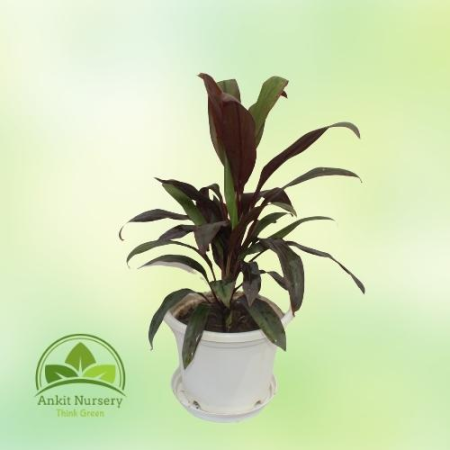
Red Dracaena, also known as Dracaena marginata or Dragon Tree, is a popular houseplant that...
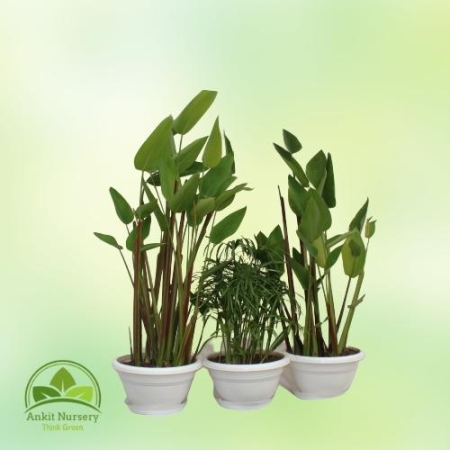
A water plant, also known as an aquatic plant or hydrophyte, is a type of plant that has...
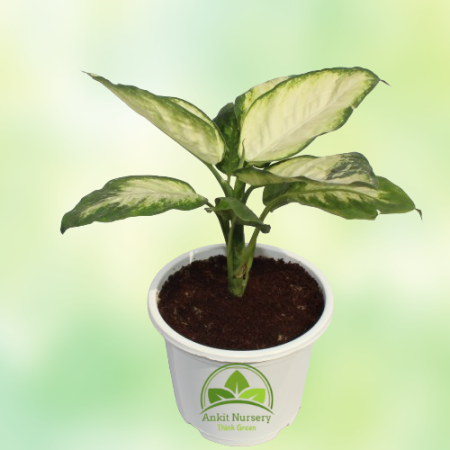
It appears you may be referring to the "Dieffenbachia" plant, often misspelled as...
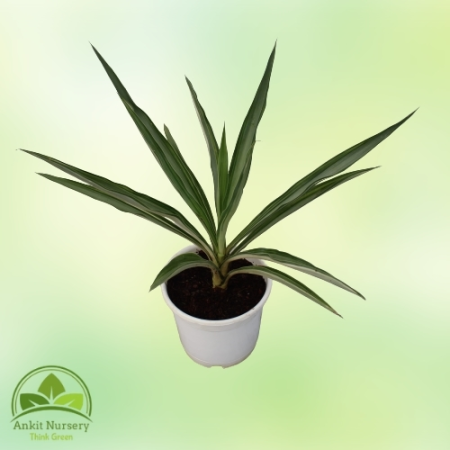
The term "Silver Yucca" is commonly used to refer to a variety of yucca plants with silvery or...
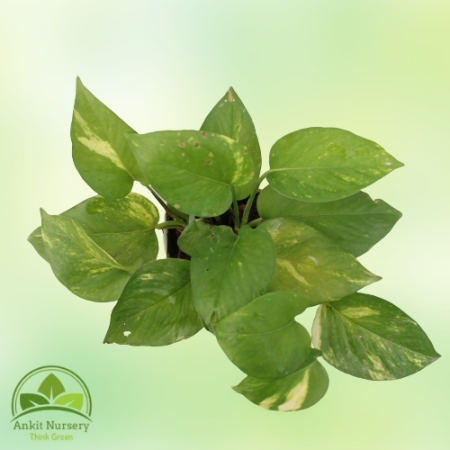
The green money plant, also known as Epipremnum aureum or Devil's Ivy, is a popular indoor...
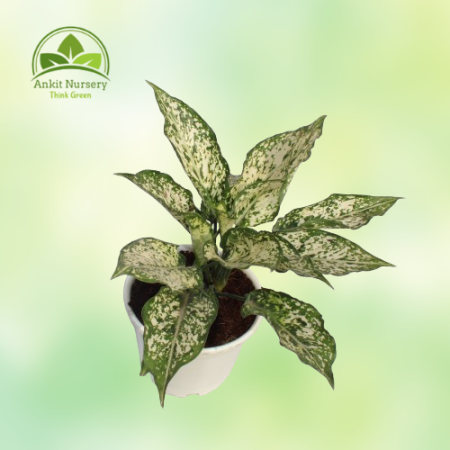
Aglaonema Snow White is a specific cultivar of Aglaonema known for its striking foliage. As...
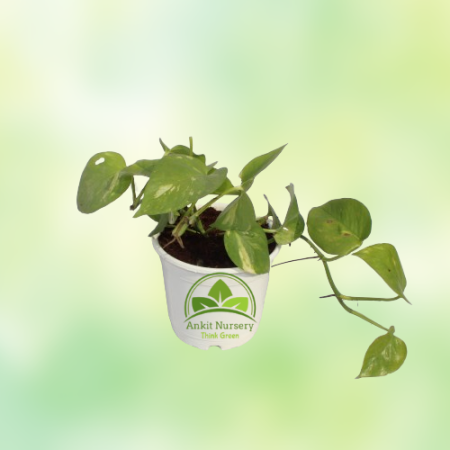
"Golden Money Plant" is a common name for several different plants, but it's often used to...
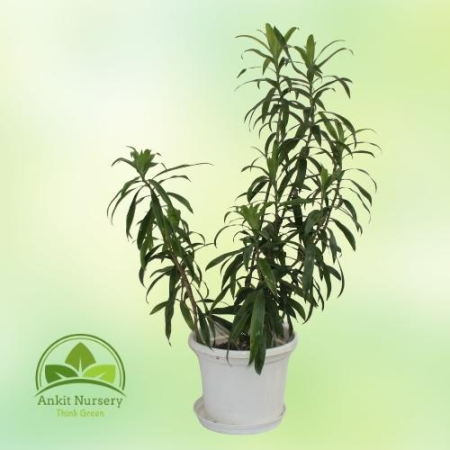
The plant you are referring to as the "Green Song of India" is commonly known as the "Song of...
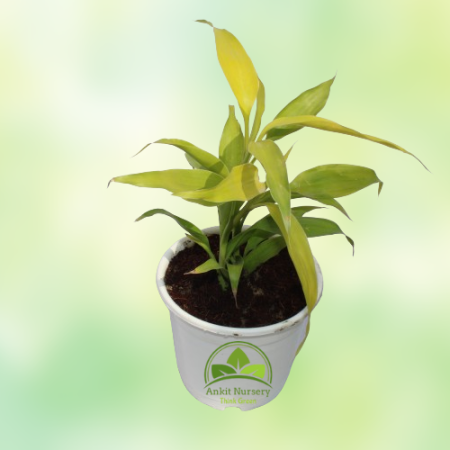
Lucky Bamboo (Dracaena sanderiana) is a popular and easy-to-care-for houseplant that is...
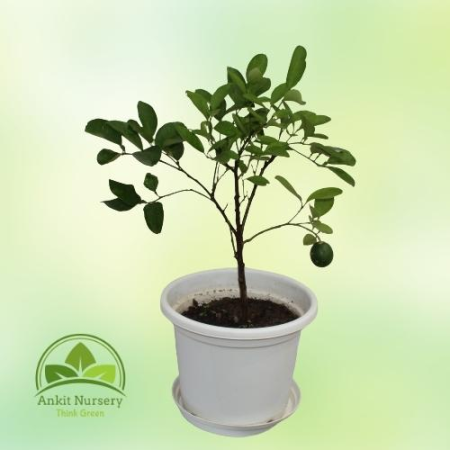
Kagzi Grafted Lemon Plant, also known as Citrus limon 'Kagzi' or 'Kagzi Nimbu,' is a popular...
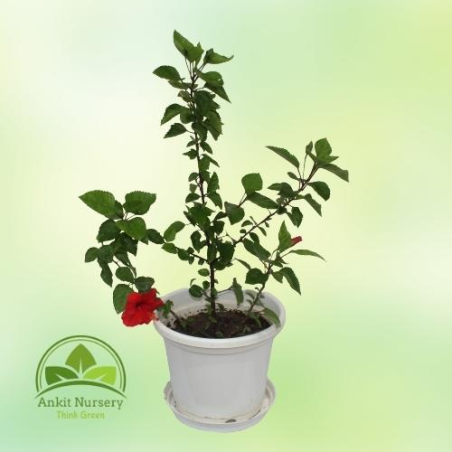
Hibiscus is a genus of flowering plants in the family Malvaceae, which is native to warm temperate, subtropical, and tropical regions around the world. Known for their showy and vibrant flowers, Hibiscus plants are widely cultivated for both their ornamental beauty and their medicinal properties.
Hibiscus plants come in various species and cultivars, but they typically share some common characteristics. They are generally shrubs or small trees with a woody stem. The size of Hibiscus plants can vary, ranging from compact varieties suitable for containers to larger specimens. The branches are often well-branched and can create a dense, bushy form.