- -10%



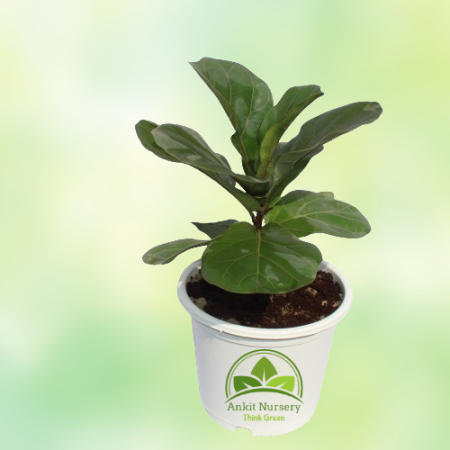
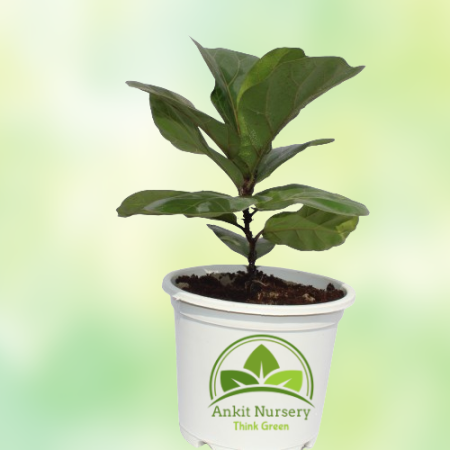
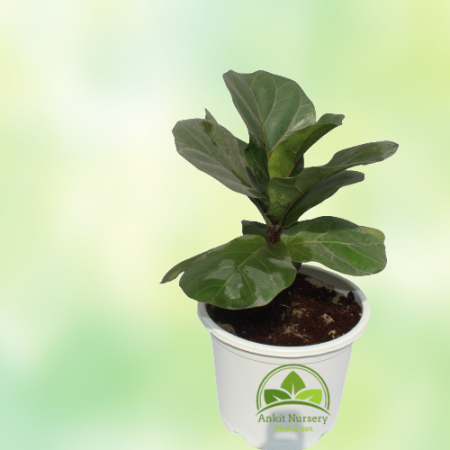
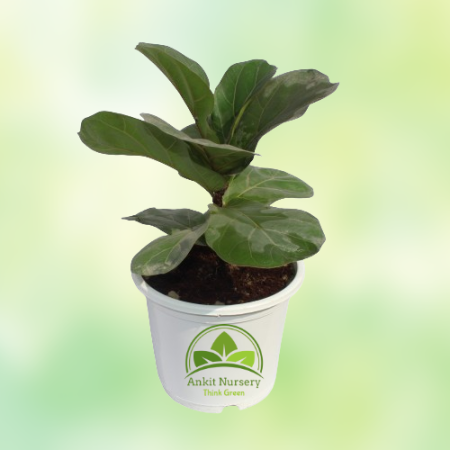
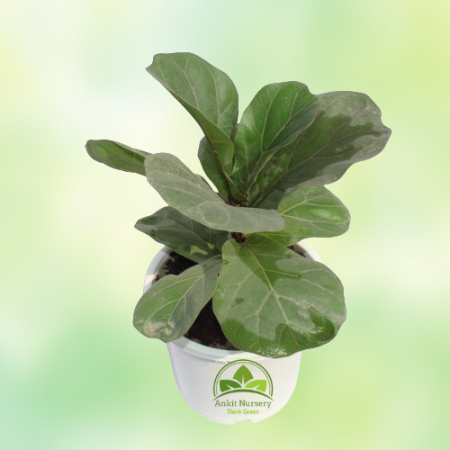
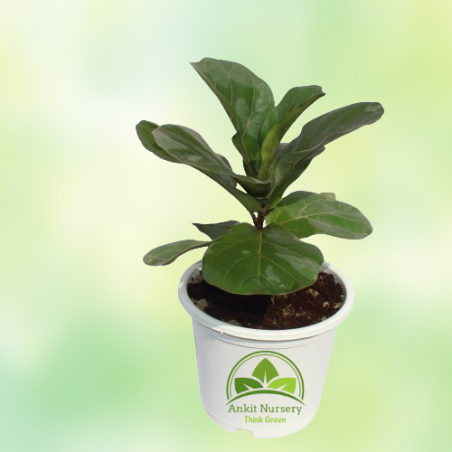
The Fiddle Leaf Fig (Ficus lyrata) is a popular and iconic houseplant known for its large, glossy leaves and striking appearance. Fiddle Leaf Figs prefer bright, indirect light. They thrive near a window where they can receive plenty of filtered sunlight. Avoid placing them in direct sunlight, as this can scorch their leaves.
Water your Fiddle Leaf Fig when the top inch of soil feels dry to the touch. Water thoroughly, allowing excess water to drain away. Avoid overwatering, as this can lead to root rot. In winter, reduce watering frequency. Fiddle Leaf Figs prefer moderate to high humidity. Mist the leaves regularly or place a tray of pebbles filled with water beneath the plant to increase humidity around it.
Use well-draining potting soil that retains some moisture. A mix formulated for tropical plants or houseplants works well. Repot the plant every couple of years to refresh the soil. Feed your Fiddle Leaf Fig with a balanced liquid fertilizer diluted to half strength every 4-6 weeks during the growing season (spring and summer). Reduce or stop fertilization in fall and winter. Prune your Fiddle Leaf Fig to maintain its shape and remove any dead or damaged leaves. You can also prune to control its size or encourage bushier growth.
Fiddle Leaf Figs can grow quite tall, so provide support with a stake or trellis if needed to prevent leaning or tipping. Fiddle Leaf Figs can be propagated from stem cuttings. Take a cutting with several nodes, remove the lower leaves, and place it in a pot with moist potting mix. Keep the soil consistently moist until roots develop. Fiddle Leaf Figs are toxic to humans and pets if ingested, so keep them out of reach of children and animals.
Keep your Fiddle Leaf Fig in a warm environment with temperatures between 65-75°F (18-24°C). Avoid exposing it to drafts or sudden temperature fluctuations. With proper care, your Fiddle Leaf Fig can become a stunning focal point in your home, adding a touch of elegance and greenery to any room. Enjoy watching it grow and thrive!
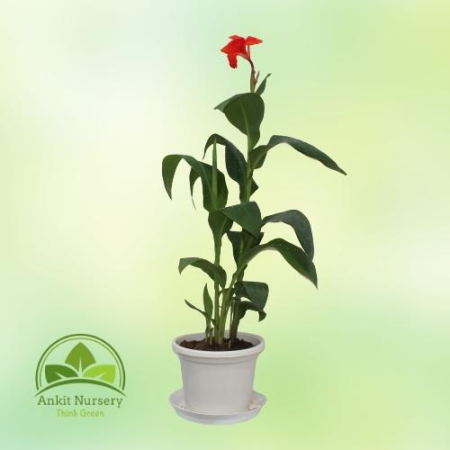
Canna lilies (Canna spp.) are known for their vibrant and showy flowers....
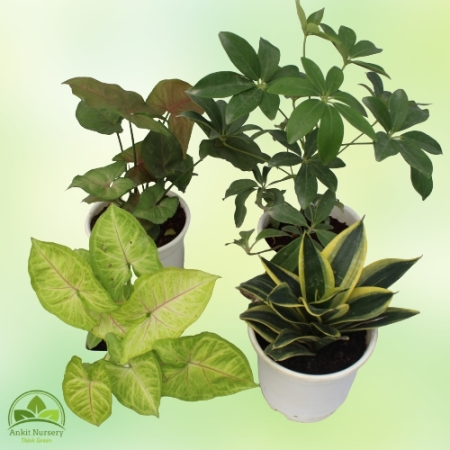
Indoor plants are a great way to bring nature into your home, purify the air, and enhance your...
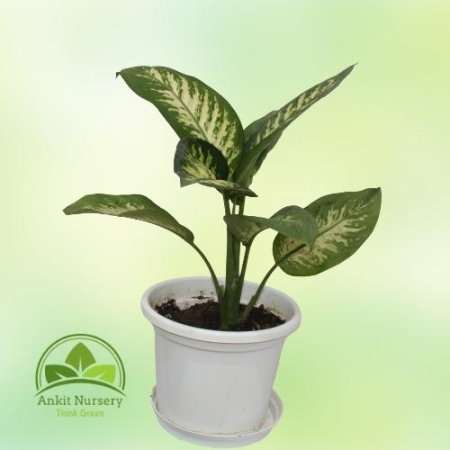
Dieffenbachia, commonly known as dumb cane, is a popular ornamental plant prized for its...
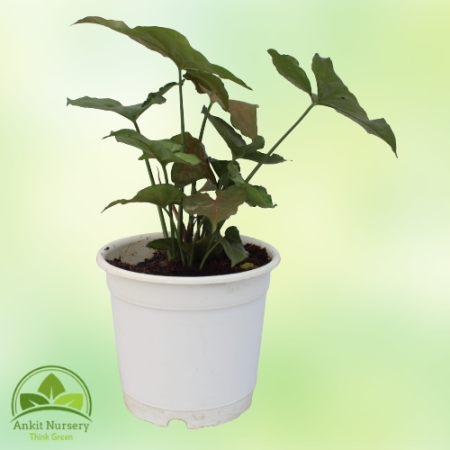
Syngonium Pink is a popular indoor plant known for its attractive foliage. It is a variety of...
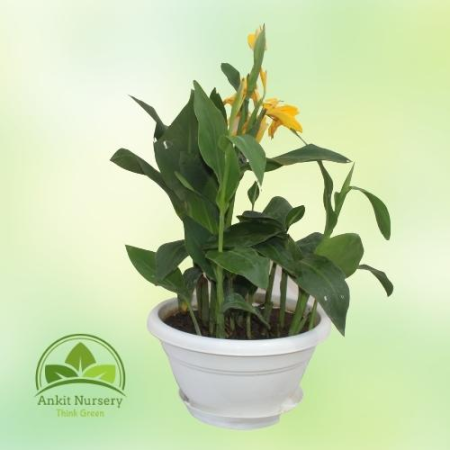
Leafy Canna, also known as Canna indica, is a variety of Canna lily that is primarily valued...
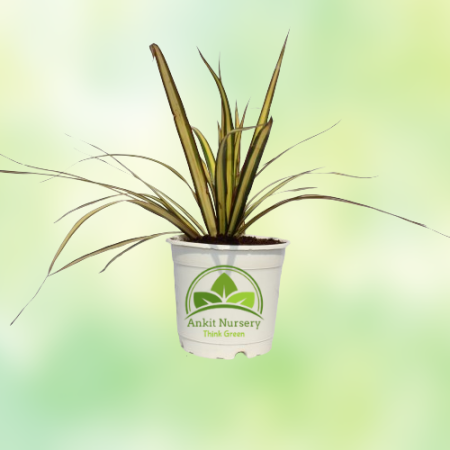
The Spider Plant (Chlorophytum comosum) is a popular and easy-to-grow houseplant known for its...
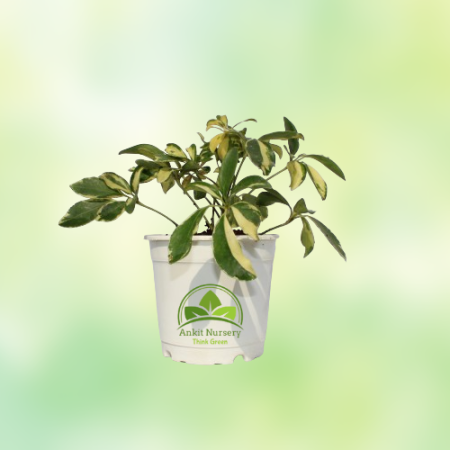
The Saplera plant, also known as Polyscias filicifolia, is a tropical tree native to Southeast...
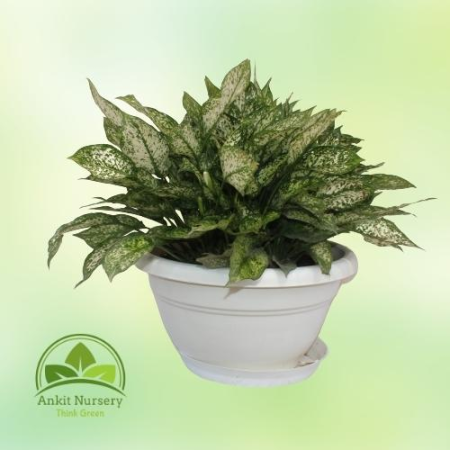
Aglaonema plants, commonly known as Chinese Evergreens, are popular indoor plants prized for...
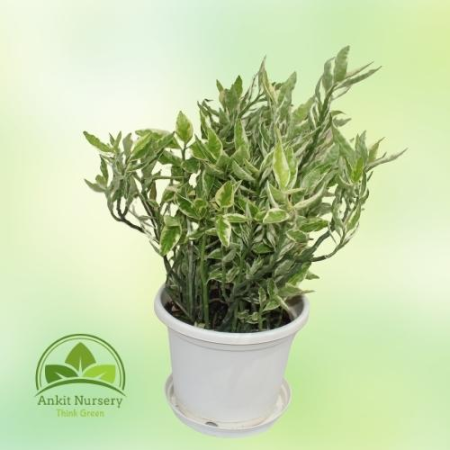
Pedilanthus tithymaloides, commonly known as Devil's Backbone or Redbird Cactus, is a...
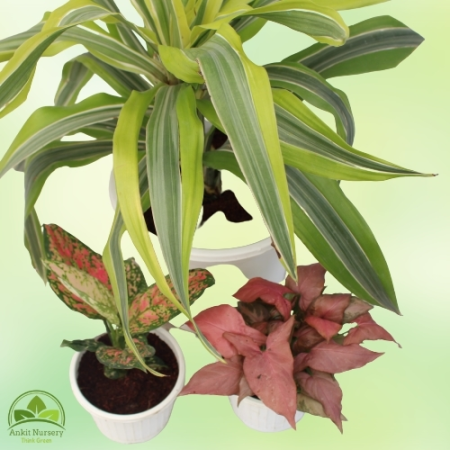
Indoor plants are a great way to bring nature into your home, purify the air, and enhance your...
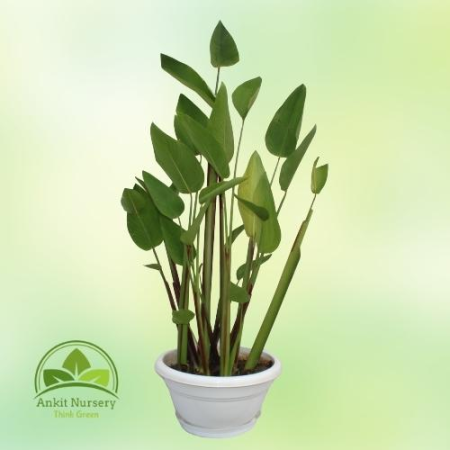
Thalia dealbata, commonly known as the Hardy Water Canna. Thalia dealbata is known for its...
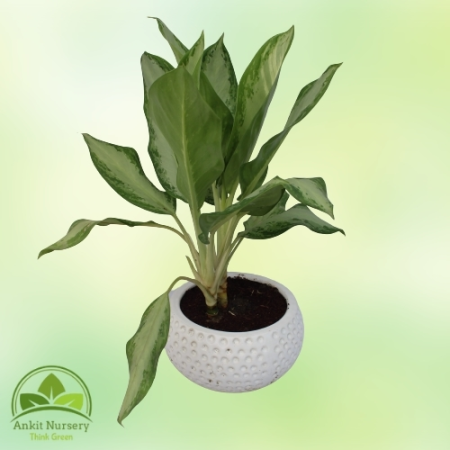
The Green Aglaonema, scientifically known as Aglaonema commutatum, is a popular and...
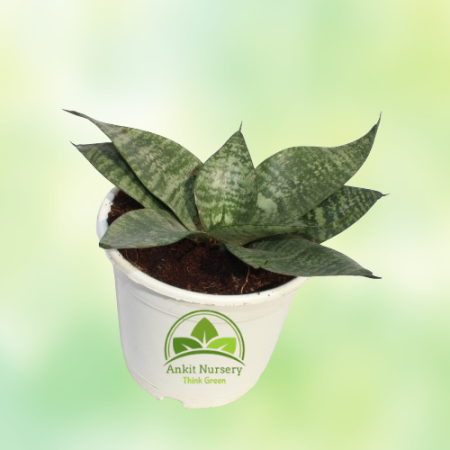
The Dwarf Snake Plant, scientifically known as Sansevieria trifasciata, is a compact variety...
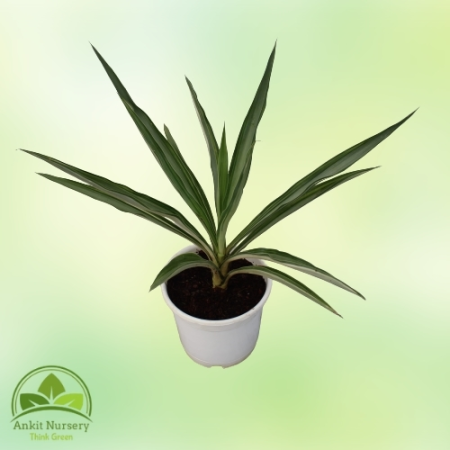
The term "Silver Yucca" is commonly used to refer to a variety of yucca plants with silvery or...
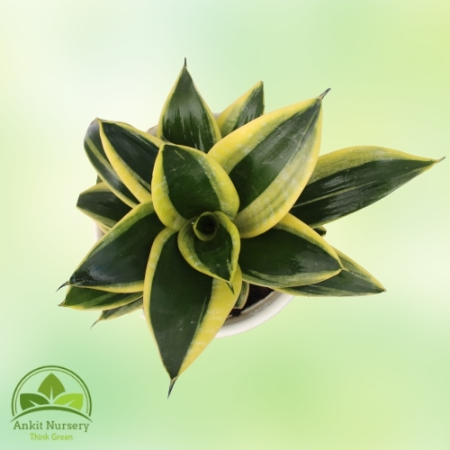
Sansevieria, is a popular and compact variety of the larger Snake Plant species. It's called...
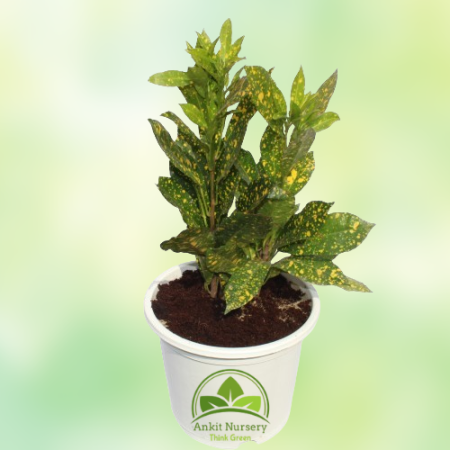
The "Croton Yellow" plant likely refers to a variety of Croton (Codiaeum variegatum) with...
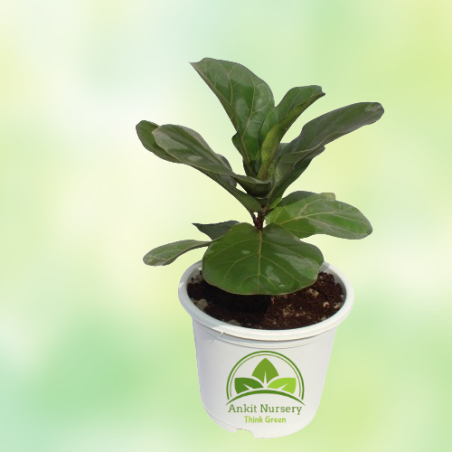
The Fiddle Leaf Fig (Ficus lyrata) is a popular and iconic houseplant known for its large, glossy leaves and striking appearance. Fiddle Leaf Figs prefer bright, indirect light. They thrive near a window where they can receive plenty of filtered sunlight. Avoid placing them in direct sunlight, as this can scorch their leaves.
Water your Fiddle Leaf Fig when the top inch of soil feels dry to the touch. Water thoroughly, allowing excess water to drain away. Avoid overwatering, as this can lead to root rot. In winter, reduce watering frequency. Fiddle Leaf Figs prefer moderate to high humidity. Mist the leaves regularly or place a tray of pebbles filled with water beneath the plant to increase humidity around it.