- -10%



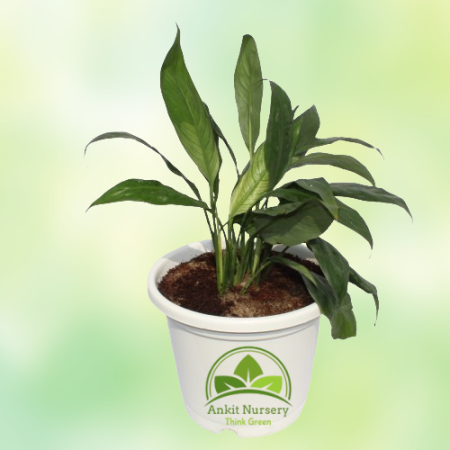
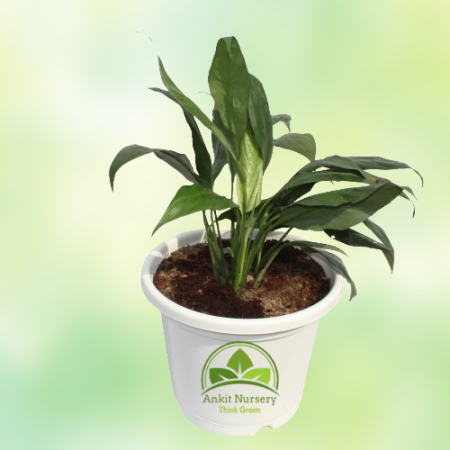
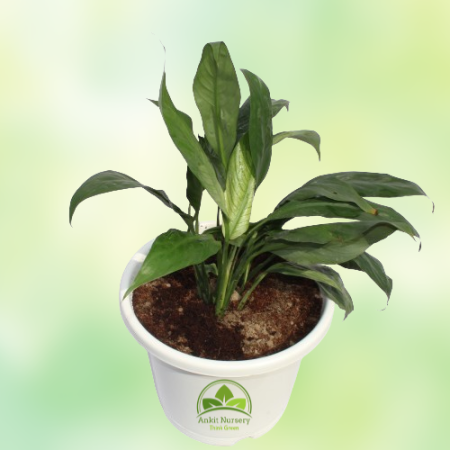
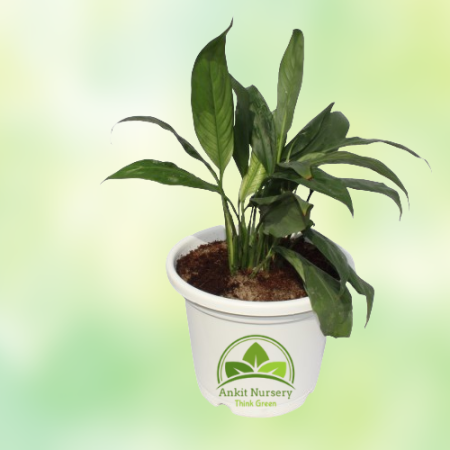
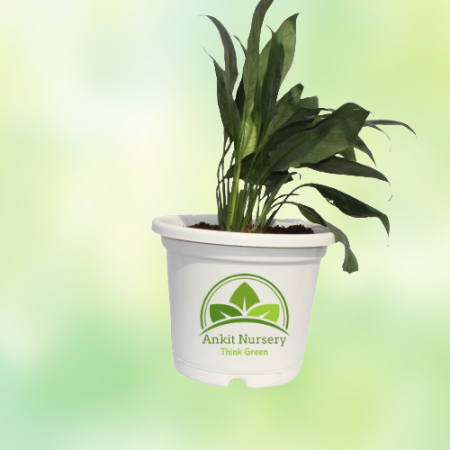
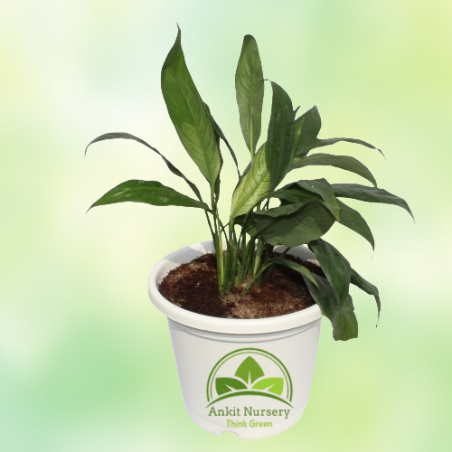
Peace Lily (Spathiphyllum spp.) is a popular and widely grown houseplant known for its elegant, white flowers and glossy, dark green leaves. Peace Lilies have glossy, lance-shaped leaves that emerge from a central crown. They produce white, hooded flowers on tall stalks that rise above the foliage. Peace "Lily" typically reach a height of 1 to 4 feet, depending on the variety and growing conditions.
Peace Lily prefer bright, indirect light. They can tolerate lower light conditions but may not bloom as profusely. Avoid placing them in direct sunlight, as this can scorch their leaves. Keep the soil consistently moist but not waterlogged. Water the plant when the top inch of soil feels dry to the touch, and allow any excess water to drain away.
Peace Lily prefer temperatures between 65-80°F (18-27°C) and moderate to high humidity levels. They can tolerate average indoor humidity but may benefit from occasional misting or placement near a humidifier, especially in dry environments.
Use a well-draining potting mix rich in organic matter, such as peat moss or compost. A mix formulated for houseplants or tropical plants works well for Peace "Lily". Feed your Peace Lily with a balanced liquid fertilizer diluted to half strength every 4-6 weeks during the growing season (spring and summer). Reduce fertilization in fall and winter when growth slows.
Peace Lilies typically bloom in spring and summer, producing white flowers that last for several weeks. After flowering, the blooms will gradually fade and can be removed to encourage new growth.
Remove any brown or yellowing leaves to maintain the plant's appearance and health. You can also divide overcrowded plants every few years to rejuvenate them. Peace Lilies are toxic if ingested, so keep them out of reach of children and pets. The sap can also be irritating to the skin, so it's a good idea to wear gloves when handling the plant. Peace Lilies are sensitive to overwatering, so it's essential to avoid letting the soil become soggy.
Overall, Peace Lilies are relatively easy to care for and can thrive indoors with the right conditions. They are excellent air purifiers, helping to remove toxins from the air, making them a popular choice for indoor spaces.
For Plants on Rent pls visit - https://rent.ankitnursery.in
For support and other queries pls Visit - https://ankitnursery.in/contact-us
Our Facebook Page - https://www.facebook.com/ankitnursery
Company Profile: bit.ly/ankitnurseryprofile
Google Business Profile: https://g.page/ankit-nursery?gm
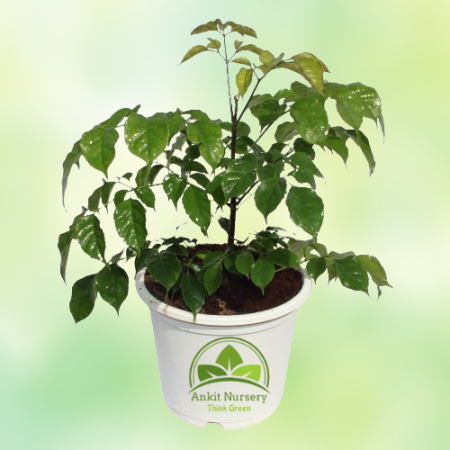
Radermachera Plant also known as China Doll or Emerald Tree, is a genus of tropical flowering...
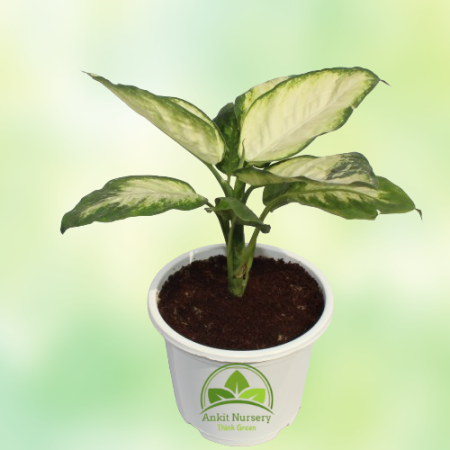
It appears you may be referring to the "Dieffenbachia" plant, often misspelled as...
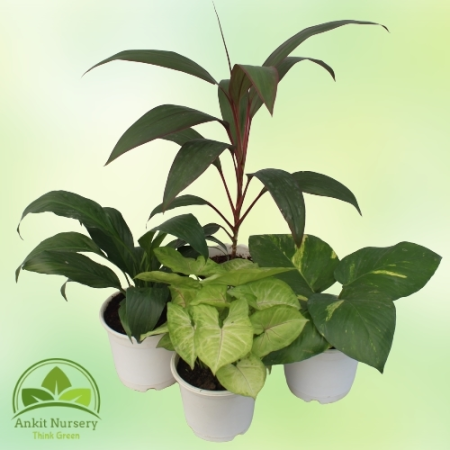
Indoor plants are a great way to bring nature into your home, purify the air, and enhance your...
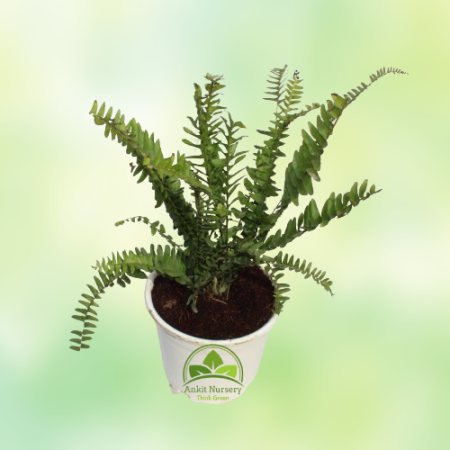
Ferns are a diverse group of plants known for their delicate, feathery foliage and are...
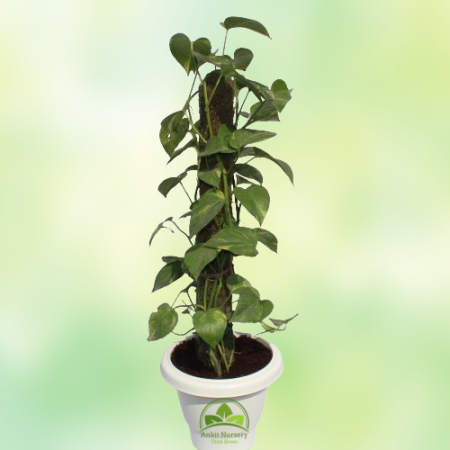
The Money Plant, also known as Pilea peperomioides, is a popular houseplant known for its...
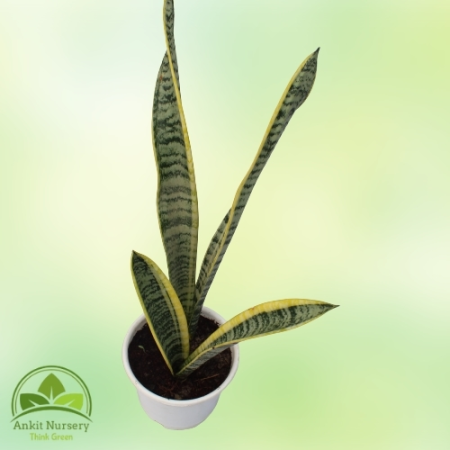
The Snake Plant, scientifically known as Sansevieria trifasciata (formerly classified under...
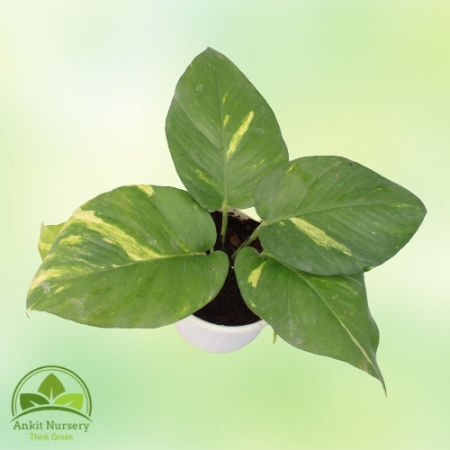
The money plant, also known as Devil's Ivy or Epipremnum aureum, is a popular indoor plant...
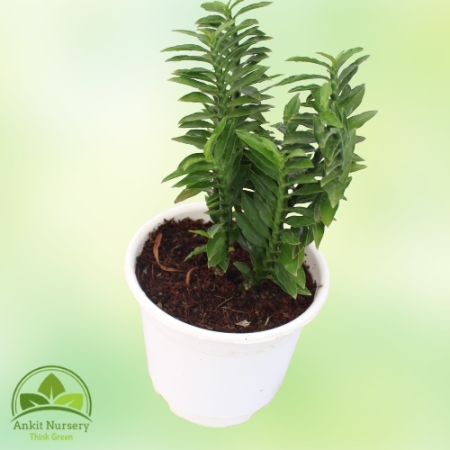
Pedilanthus tithymaloides, commonly known as Devil's Backbone or Redbird Cactus, is a species...
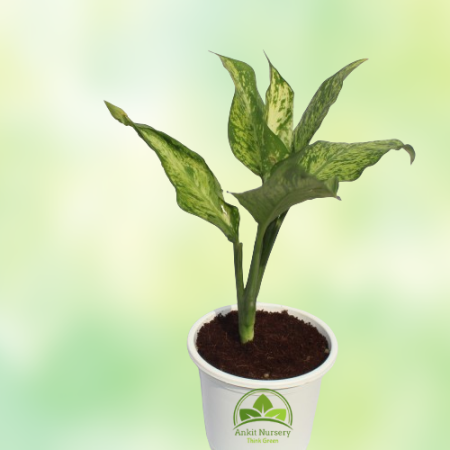
It appears you may be referring to the "Dieffenbachia" plant, often misspelled as...
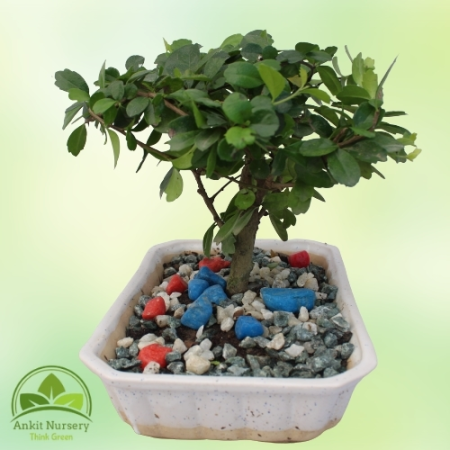
The Malpighia plant, commonly known as Barbados cherry, Acerola cherry, or West Indian cherry,...
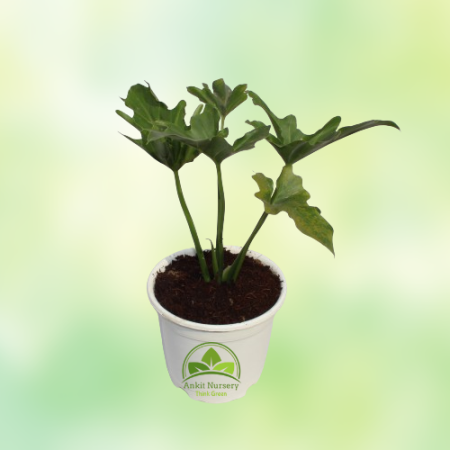
Philodendron xanadu Seelam Plant is indeed a delightful cultivar known for its lush and...
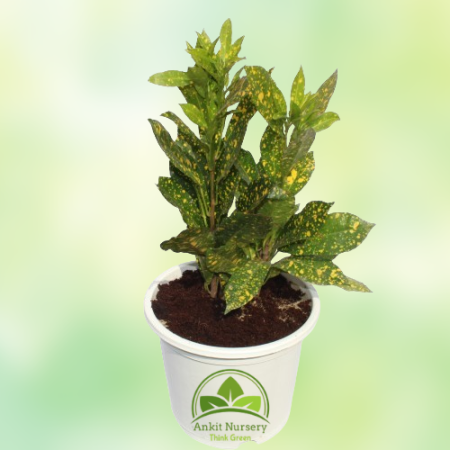
The "Croton Yellow" plant likely refers to a variety of Croton (Codiaeum variegatum) with...
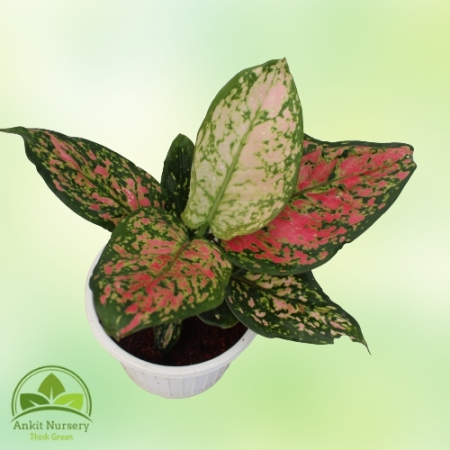
Aglaonema, commonly known as Chinese evergreen, is a popular indoor plant appreciated for its...
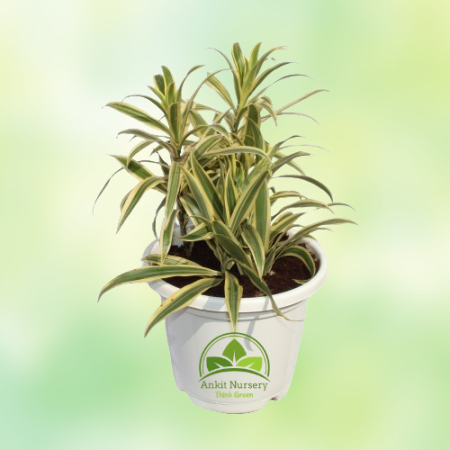
"Golden Song of India" is a common name for the Dracaena reflexa 'Variegata' plant, also known...
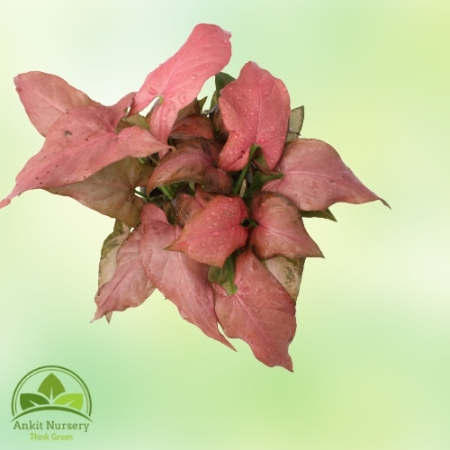
The term "Pink Syngonium" typically refers to a variety of Syngonium podophyllum, commonly...
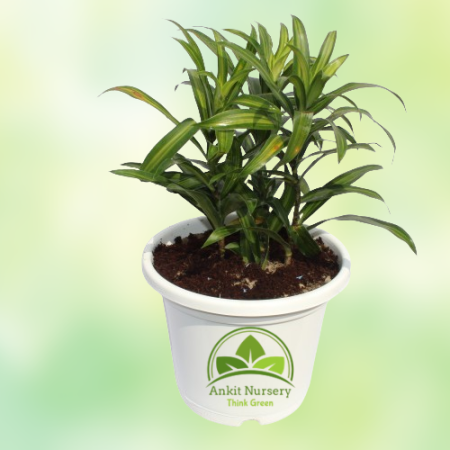
The "Song of India" plant is a common name for the Dracaena reflexa var. angustifolia, a...
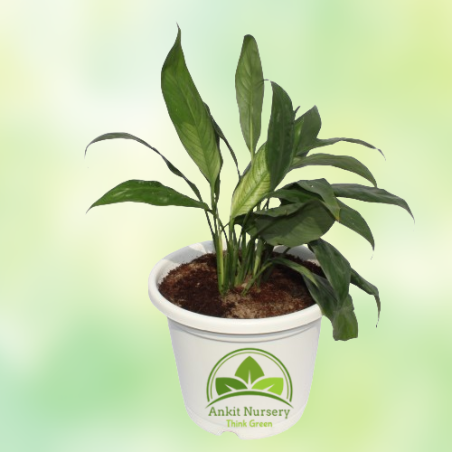
Peace Lily (Spathiphyllum spp.) is a popular and widely grown houseplant known for its elegant, white flowers and glossy, dark green leaves. Peace Lilies have glossy, lance-shaped leaves that emerge from a central crown. They produce white, hooded flowers on tall stalks that rise above the foliage. Peace "Lily" typically reach a height of 1 to 4 feet, depending on the variety and growing conditions.
Peace Lily prefer bright, indirect light. They can tolerate lower light conditions but may not bloom as profusely. Avoid placing them in direct sunlight, as this can scorch their leaves. Keep the soil consistently moist but not waterlogged. Water the plant when the top inch of soil feels dry to the touch, and allow any excess water to drain away.