- -10%



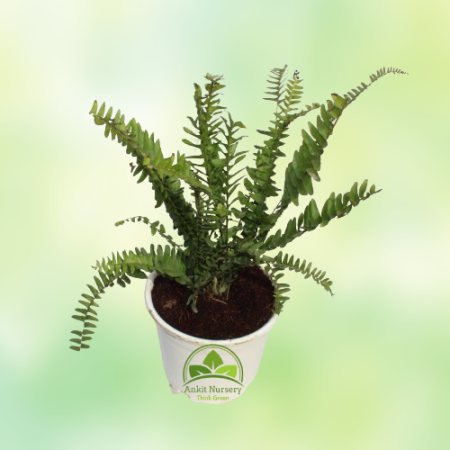
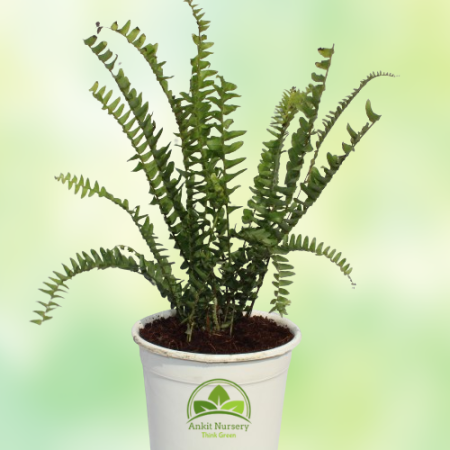
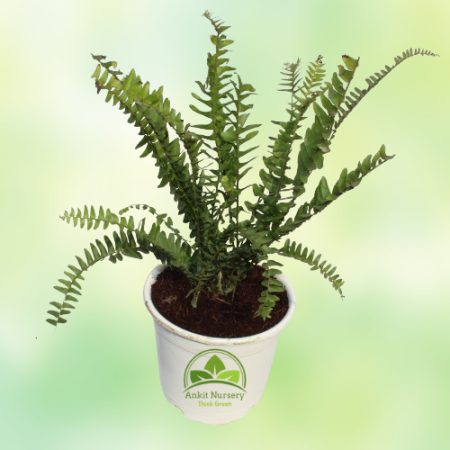
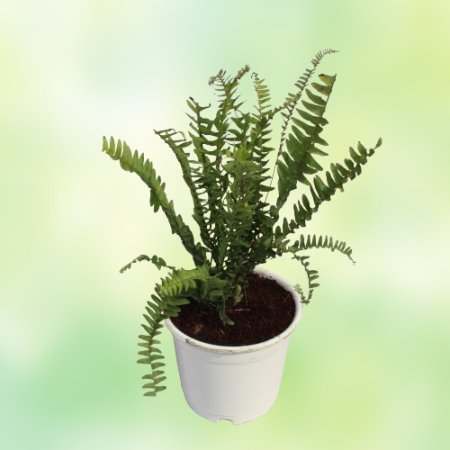
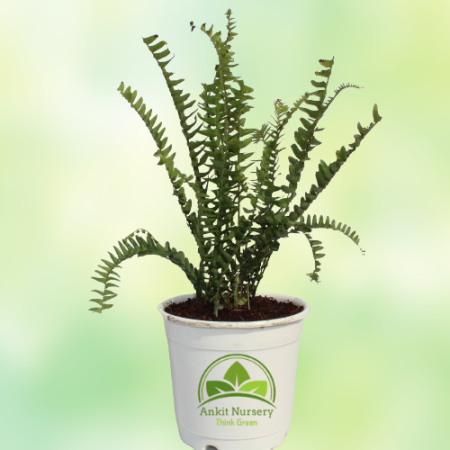
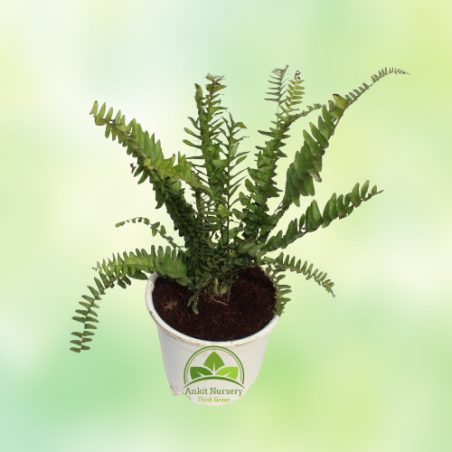
Ferns are a diverse group of plants known for their delicate, feathery foliage and are commonly grown as houseplants for their lush greenery and low maintenance requirements. Green ferns typically have vibrant green fronds that may vary in shape and size depending on the species. They are characterized by their finely divided leaves, which give them a delicate and airy appearance.
Ferns can vary widely in size, with some species growing only a few inches tall and others reaching several feet in height. The size of your fern will depend on the specific species and growing conditions. Most green ferns prefer indirect or filtered light. They thrive in shady or partially shaded areas indoors and should be protected from direct sunlight, which can scorch their delicate leaves.
Keep the soil consistently moist but not waterlogged. Water your fern whenever the top inch of soil feels dry to the touch, but be careful not to let the soil dry out completely between waterings. Ferns also benefit from occasional misting to increase humidity. Ferns prefer temperatures between 60-75°F (15-24°C) and high humidity levels. They are well-suited to bathrooms or other humid environments, but they can also thrive in average indoor humidity with regular misting.
Use a well-draining potting mix that retains moisture but does not become waterlogged. A mix formulated for ferns or other houseplants works well.
Feed your fern with a balanced liquid fertilizer diluted to half strength every 4-6 weeks during the growing season (spring and summer). Reduce fertilization in fall and winter when growth slows. Remove any dead or yellowing fronds to maintain the plant's appearance and health. You can also prune back any overgrown or leggy growth to encourage bushier growth.
Ferns can be propagated by dividing the root ball or by spores, although division is the most common method for houseplant ferns. Simply separate the plant into smaller sections, each with its own roots and fronds, and replant them in separate pots. Most ferns are non-toxic to humans and pets, making them safe to grow indoors. Overall, green ferns are beautiful and relatively low-maintenance houseplants that can add a touch of natural beauty to any indoor space. With proper care, they can thrive and provide years of enjoyment.
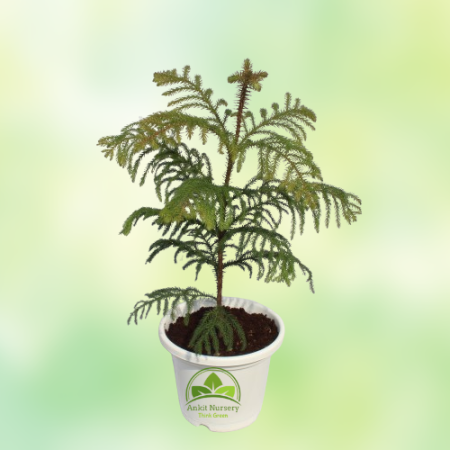
The Araucaria plant, also known as the Norfolk Island Pine or simply Araucaria, is a...
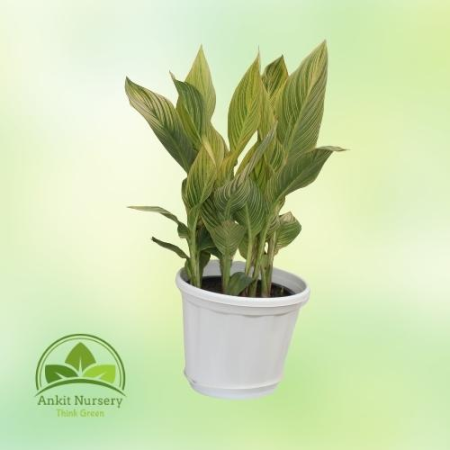
Canna lilies, scientifically known as Canna, are perennial flowering plants that belong to the...
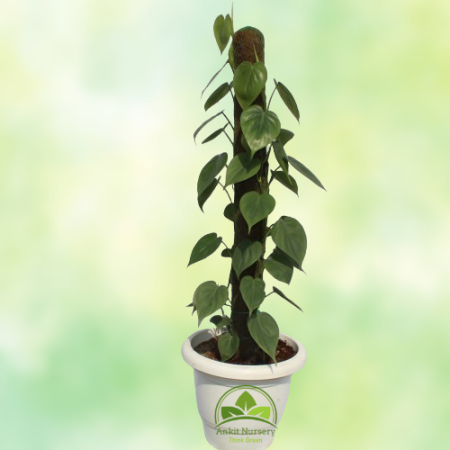
Oxycardium plant also known as Philodendron hederaceum or Philodendron scandens, is a popular...
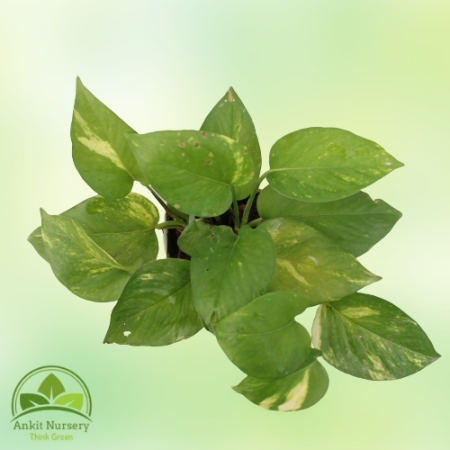
The green money plant, also known as Epipremnum aureum or Devil's Ivy, is a popular indoor...
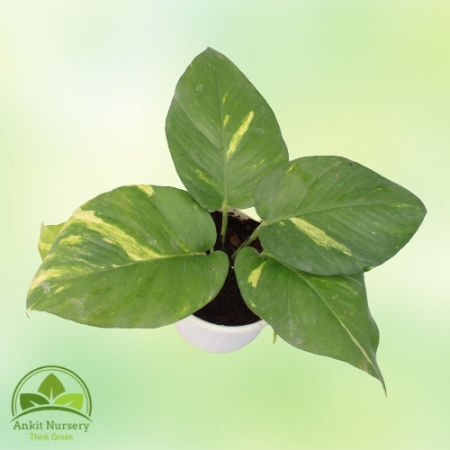
The money plant, also known as Devil's Ivy or Epipremnum aureum, is a popular indoor plant...
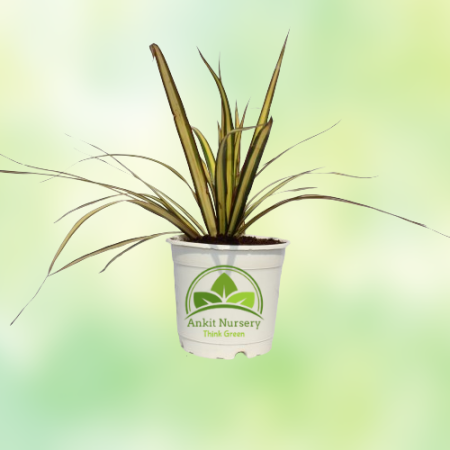
The Spider Plant (Chlorophytum comosum) is a popular and easy-to-grow houseplant known for its...
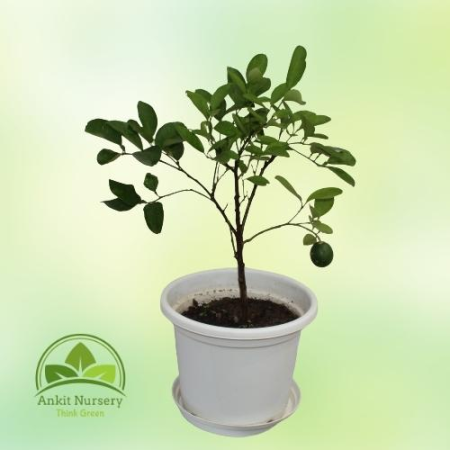
Kagzi Grafted Lemon Plant, also known as Citrus limon 'Kagzi' or 'Kagzi Nimbu,' is a popular...
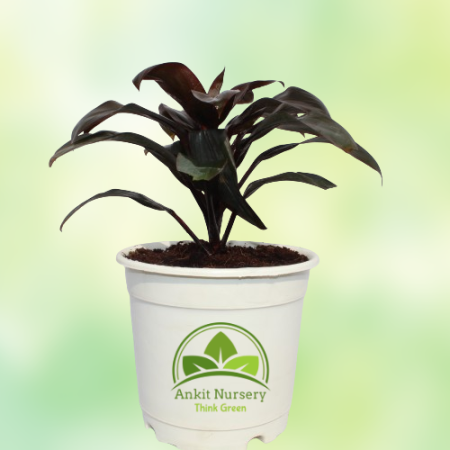
"Dracaena Red" is not a specific species of Dracaena but likely refers to a variety of...
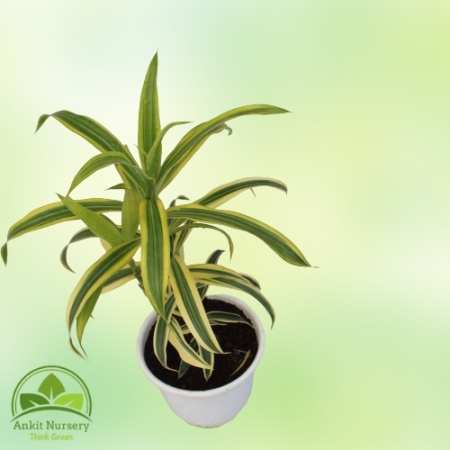
Golden Song of India is a common name for the plant known scientifically as Dracaena reflexa...
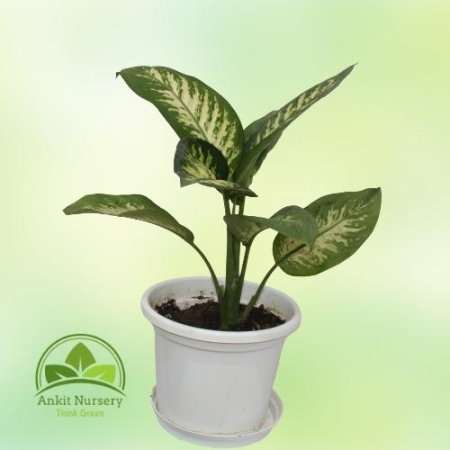
Dieffenbachia, commonly known as dumb cane, is a popular ornamental plant prized for its...
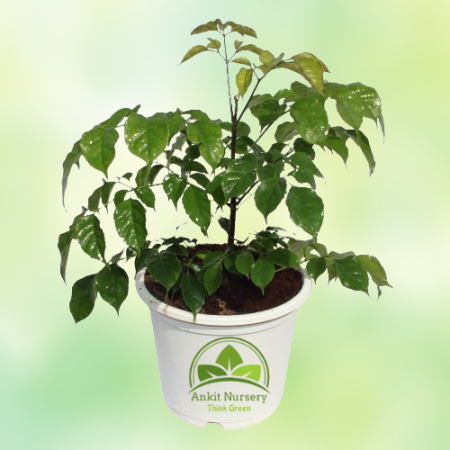
Radermachera Plant also known as China Doll or Emerald Tree, is a genus of tropical flowering...
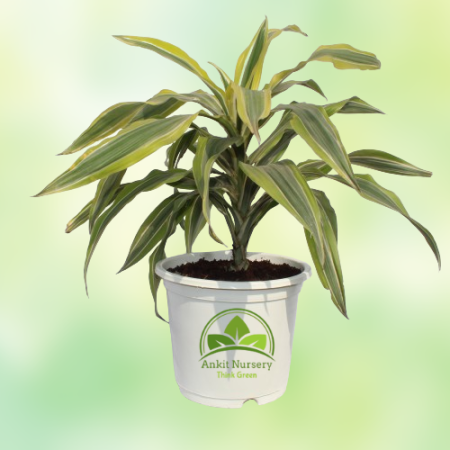
The Dracaena Victoria is a cultivar of the Dracaena fragrans species, commonly known as the...
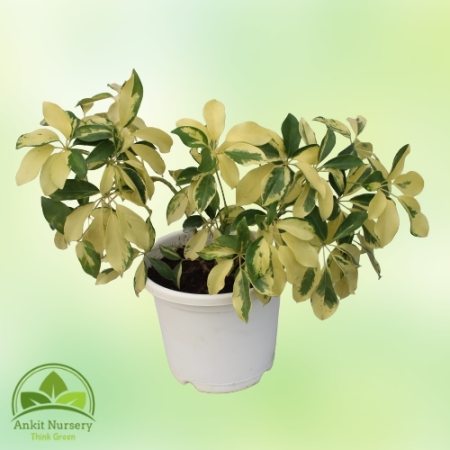
The Schefflera plant, often referred to as the Umbrella Tree or Schefflera arboricola, is a...
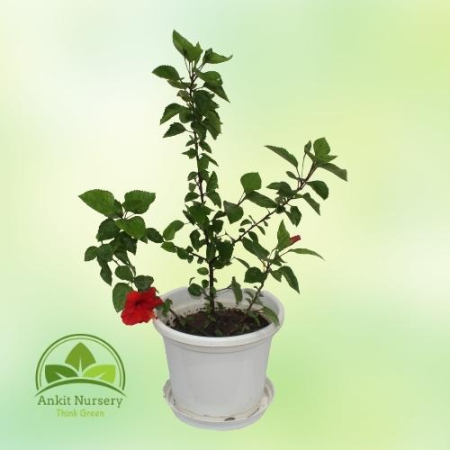
Hibiscus is a genus of flowering plants in the family Malvaceae, which is native to warm...
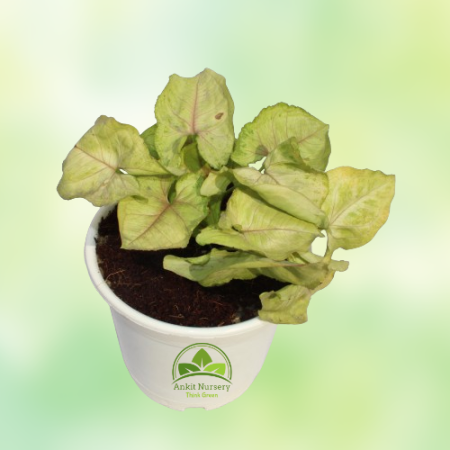
Syngonium Golden Plant is a cultivar of Syngonium podophyllum, commonly known as arrowhead...
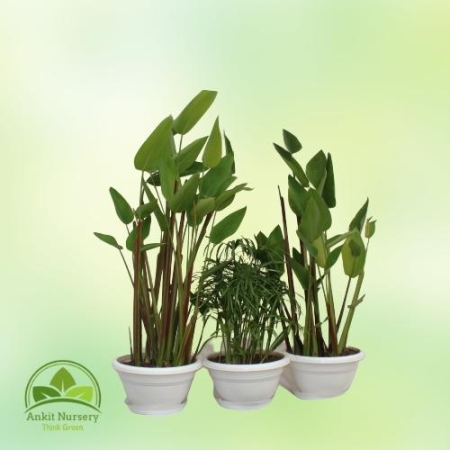
A water plant, also known as an aquatic plant or hydrophyte, is a type of plant that has...
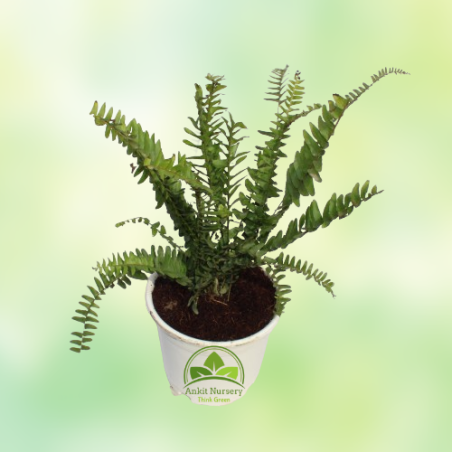
Ferns are a diverse group of plants known for their delicate, feathery foliage and are commonly grown as houseplants for their lush greenery and low maintenance requirements. Green ferns typically have vibrant green fronds that may vary in shape and size depending on the species. They are characterized by their finely divided leaves, which give them a delicate and airy appearance.
Ferns can vary widely in size, with some species growing only a few inches tall and others reaching several feet in height. The size of your fern will depend on the specific species and growing conditions. Most green ferns prefer indirect or filtered light. They thrive in shady or partially shaded areas indoors and should be protected from direct sunlight, which can scorch their delicate leaves.